If your boiler is not working properly, deciding whether to repair or replace it can be a difficult choice.
The right decision depends on several factors, including the age of the boiler, the cost of the repair, and how reliable the system is likely to be moving forward.
Understanding these factors helps you avoid unnecessary costs and ensures your heating system remains efficient and dependable.
When Is Boiler Repair the Right Option?
Boiler repair is usually the best option when the issue is minor, and the boiler is still in good overall condition.
If the system is relatively new and has not experienced frequent problems, a repair can quickly restore normal function at a cost-effective price. This is often the case with isolated faults such as pressure issues or component failures.
Repair is particularly suitable when the cost is low, and the boiler is expected to continue operating reliably after the issue is resolved.
When Should You Replace Your Boiler?
Replacement becomes the better option when the boiler is no longer reliable or efficient.
This is often the case when the system is older or has started to develop recurring faults. In these situations, continuing to repair the boiler can become expensive and inconvenient.
You should consider replacing your boiler if:
- It is over 10 to 15 years old
- It requires frequent repairs
- Energy bills are increasing due to inefficiency
- The system is unreliable or inconsistent
These signs indicate that the boiler may be reaching the end of its lifespan.
Repair vs Replacement: Quick Comparison
If you are unsure which option to choose, comparing the two can help clarify the decision.
Repair is generally quicker and involves a lower upfront cost, making it suitable for minor issues. Replacement requires a larger initial investment but offers improved efficiency and long-term reliability.
- Repair is best when: the boiler is newer and the issue is minor
- Replacement is best when: the boiler is older or repeatedly failing
This section benefits from bullet points as it simplifies a key decision.
How Boiler Age Affects Your Decision
The age of your boiler is one of the most important factors to consider.
Newer boilers are usually worth repairing, as they are more efficient and less likely to develop ongoing issues. Older boilers, on the other hand, are more prone to breakdowns and may no longer operate efficiently.
As boilers age, parts wear out and performance declines. This makes replacement a more practical option in many cases.
Is a New Boiler More Efficient?
Modern boilers are significantly more energy-efficient than older systems.
Upgrading to a newer model can reduce energy consumption and lower heating bills. Over time, these savings can help offset the initial cost of installation.
In addition to efficiency, newer boilers are often more reliable and require less maintenance. This reduces the likelihood of unexpected breakdowns and improves overall performance.
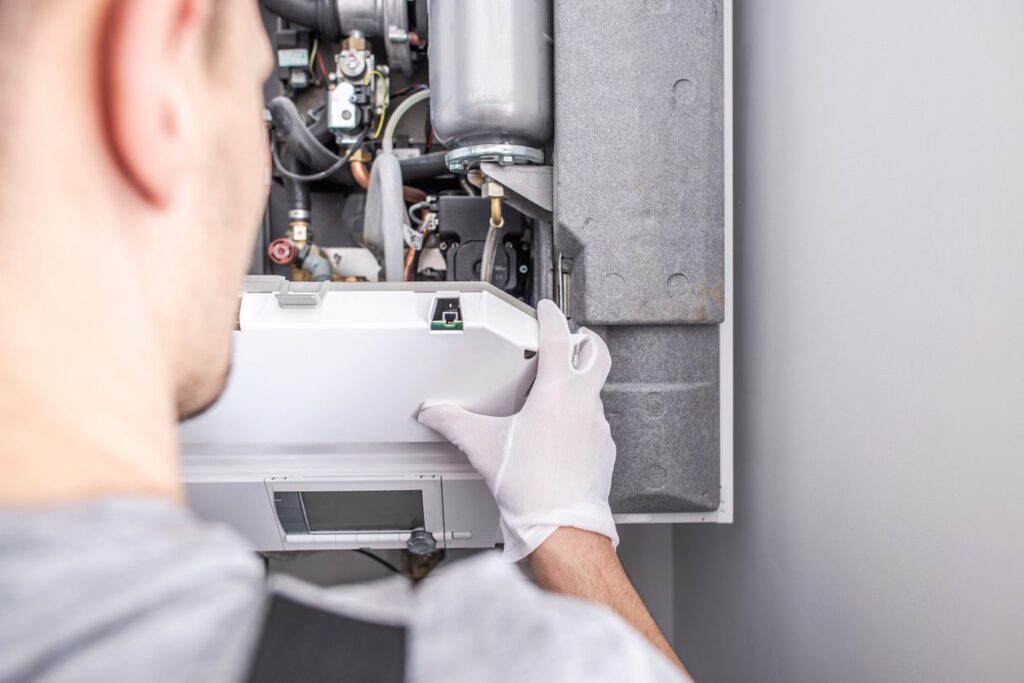
Long-Term Cost vs Short-Term Savings
One of the most important considerations is the balance between short-term savings and long-term cost.
Repairing a boiler may seem cheaper initially, but repeated repairs can quickly add up. In contrast, replacing the boiler involves a higher upfront cost but can reduce ongoing expenses and improve reliability.
Looking at the bigger picture helps ensure you make a decision that is both practical and cost-effective.
Get the Right Advice for Your Boiler
If you are unsure whether to repair or replace your boiler, a professional assessment is the best place to start.
An experienced engineer can evaluate the condition of the system and recommend the most suitable option. This ensures that you are not spending money unnecessarily and that your heating system remains safe and efficient.
Frequently Asked Questions
Is it worth repairing an old boiler?
If the boiler is very old, replacement is often the better option.
Older systems are more likely to develop faults and are generally less efficient. While repairs may provide a temporary solution, they may not be cost-effective in the long term.
How do I know if my boiler needs replacing?
Frequent breakdowns, rising energy bills, and inconsistent performance are all signs that a boiler may need replacing.
If the system is no longer reliable, replacing it can provide a more stable and efficient solution.
How long should a boiler last?
Most boilers last between 10 and 15 years with proper maintenance.
Regular servicing can extend the lifespan, but performance will decline over time. As the boiler ages, replacement becomes more likely.