Boiler pressure helps water circulate through your central heating system so your radiators can warm up and your property can remain comfortable. Although a small increase in pressure is normal when the heating is running, a gauge that repeatedly climbs too high should not be ignored.
High boiler pressure can happen after the heating system has been overfilled, but it may also point to a faulty filling loop, expansion vessel problem or another internal issue. If the pressure continues to rise, the boiler may shut down or release water through its safety pipework.
At The Boiler Co. North East, we help homeowners across Newcastle and the surrounding areas understand and resolve boiler pressure problems. This guide explains what high boiler pressure means, why it happens and when you should arrange a professional inspection.
What Should Normal Boiler Pressure Be?
The correct boiler pressure depends on the manufacturer and model, so you should always check the instructions supplied with your appliance. Many sealed central heating systems operate at approximately 1 to 1.5 bar when the boiler is cool and the heating is switched off.
When the heating is turned on, the water inside the system becomes warmer and expands. This causes the pressure to rise. A moderate increase is usually expected and does not necessarily indicate a fault.
For many boilers, the pressure may rise to around 2 bar while the system is operating. However, it should remain within the safe range stated in the manufacturer’s instructions. If the gauge moves towards the red section, approaches 3 bar or continues increasing whenever the heating is used, the system should be checked.

Why Does Boiler Pressure Rise When the Heating Is On?
Water expands as it heats. In a sealed central heating system, this expansion causes the pressure to increase. The boiler has an expansion vessel designed to accommodate the additional volume of heated water and keep the pressure reasonably stable.
As the system cools, the pressure should fall towards its original level. This change between the hot and cold readings is part of normal boiler operation.
A problem may be present if the pressure rises sharply, reaches the upper limit or stays high after the heating has cooled. For example, a boiler that reads 1.2 bar when cold but climbs close to 3 bar when hot could have an issue with the expansion vessel or another component.
How Do I Know If My Boiler Pressure Is Too High?
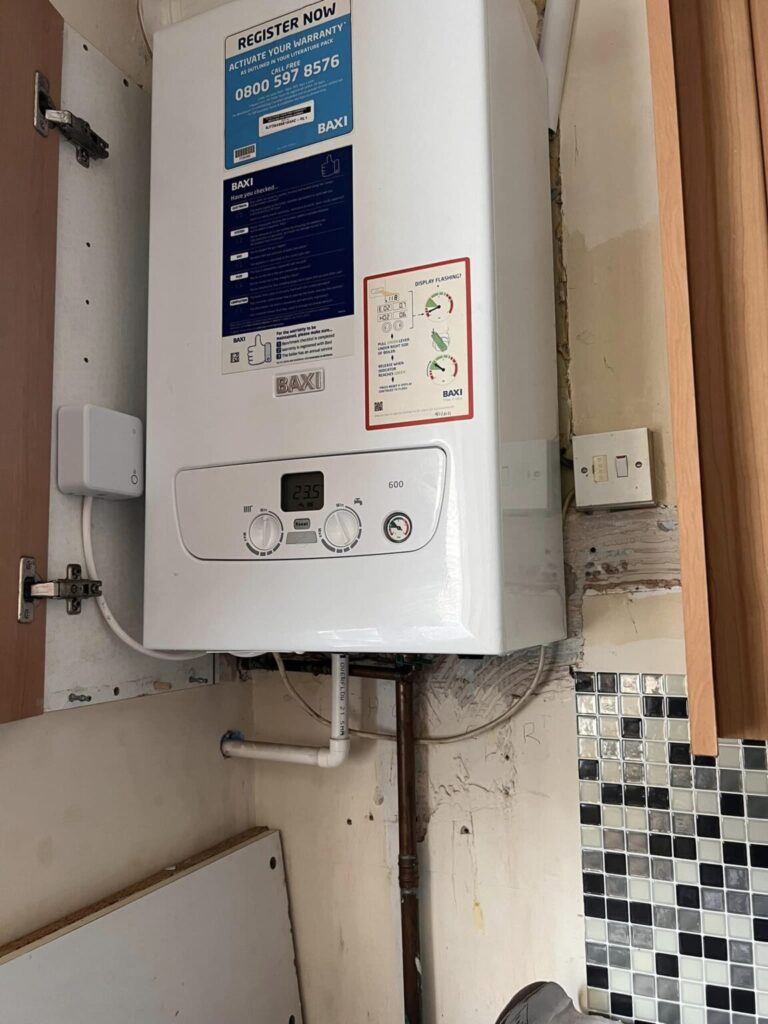
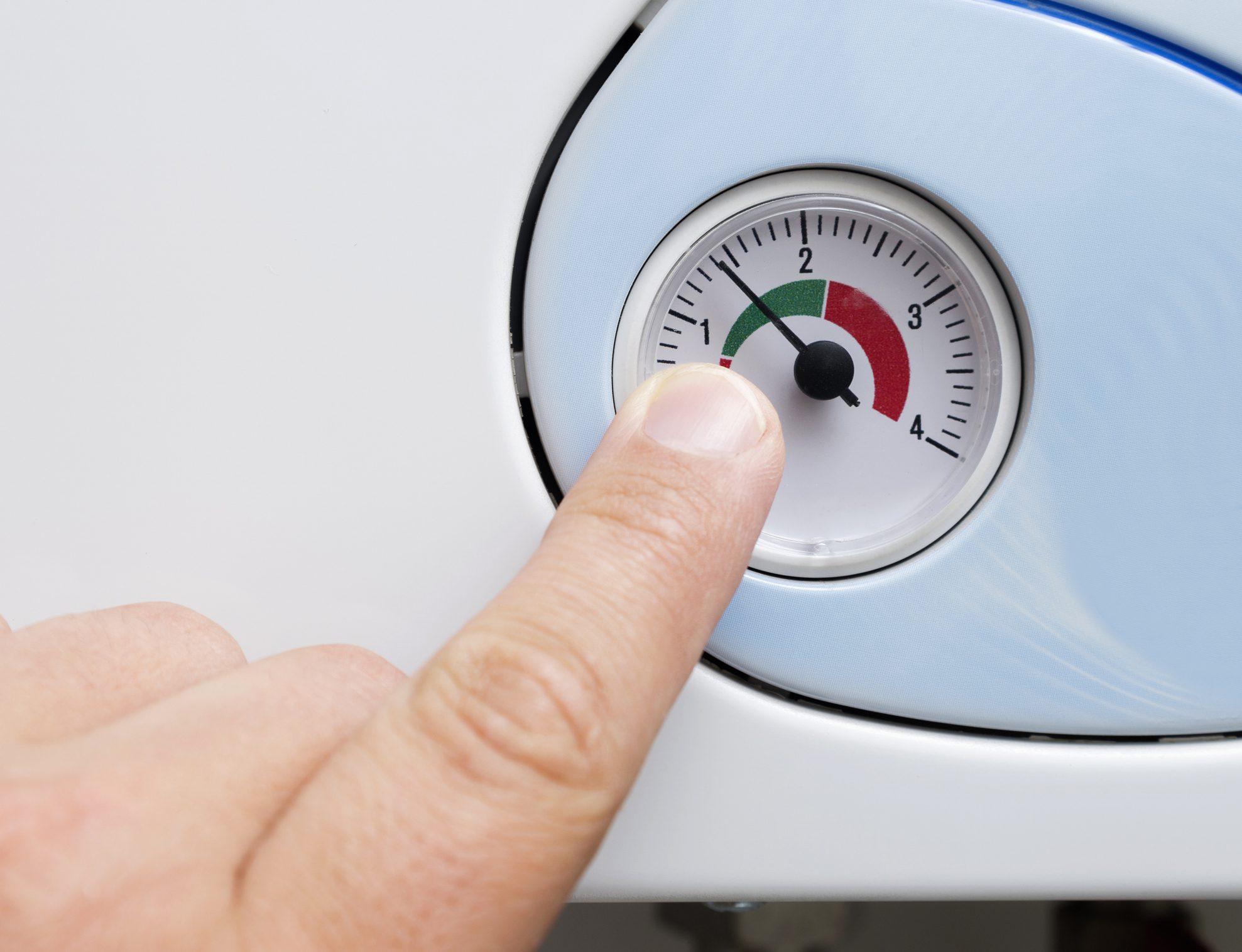
Most boilers have either an analogue pressure gauge or a digital display. An analogue gauge normally resembles a small clock face with a needle while a digital boiler may display pressure as a number.
The boiler instructions should explain where to find the pressure reading and identify the normal operating range. Some gauges have a green section showing the recommended pressure and a red section indicating that the pressure is too low or too high.
Signs that boiler pressure may be too high include:
- The gauge is approaching or exceeding 3 bar
- The pressure enters the red section
- Water is dripping from a pipe outside the property
- The boiler displays a pressure-related fault code
- The boiler regularly shuts down
- Radiator valves or pipe joints begin leaking
- The pressure rises significantly whenever the heating runs
- You repeatedly need to release pressure from the system
If the pressure remains high or keeps returning after it has been reduced, professional boiler repairs in Newcastle may be required.
What Causes High Boiler Pressure?
High boiler pressure has several possible causes. Some issues are related to how the system was filled while others involve components inside the boiler. Identifying when the pressure rises can help an engineer determine the likely cause.
The Central Heating System Has Been Overfilled
One of the most common reasons for high boiler pressure is too much water being added through the filling loop. The filling loop connects the sealed heating system to the mains water supply and is used to increase pressure when it falls too low.
If the filling loop is left open for too long, excess water enters the system and raises the pressure. This may happen after radiators have been bled or when a homeowner attempts to correct low pressure.
The increase usually appears immediately on the pressure gauge. If the boiler was previously operating normally and the pressure became high directly after topping it up, accidental overfilling is a likely explanation.
The Filling Loop Has Not Been Fully Closed
The valves on the filling loop should be completely closed after the correct pressure has been reached. If one or both valves remain partly open, mains water may continue entering the heating system.
The pressure can then rise gradually even when the heating is switched off. You may release water and temporarily lower the reading, only for it to increase again later.
Some boilers have an external braided filling loop while others have a built-in filling mechanism. The design and operating instructions vary, so you should consult the manufacturer’s guidance before touching any controls. If the valves appear closed but the pressure continues to increase, the filling loop may be passing water internally and require professional attention.
The Expansion Vessel Is Faulty
The expansion vessel is a key part of a sealed central heating system. It contains separate chambers for water and compressed air, divided by a flexible diaphragm. As heated water expands, the vessel absorbs the additional volume and helps prevent a large rise in pressure.
If the expansion vessel loses its air charge, the diaphragm becomes damaged or the vessel fails, it cannot accommodate the expanded water properly. The pressure may appear normal when the boiler is cold but rise rapidly once the heating is running.
A common pattern is for the gauge to climb towards 3 bar when hot before dropping considerably when the system cools. Water may also discharge through the pressure relief pipe.
Testing, repressurising or replacing an expansion vessel involves work inside the boiler and should be carried out by a suitably qualified engineer.
The Pressure Relief Valve Has Developed a Fault
The pressure relief valve is a safety component designed to release water if the system pressure becomes excessive. This helps protect the boiler and heating system from over-pressurisation.
After the valve has operated, debris can sometimes prevent it from sealing correctly. Water may continue dripping through the external discharge pipe even after the system pressure has returned to an acceptable level.
A leaking pressure relief valve can eventually cause the boiler pressure to fall too low. Simply re-pressurising the boiler may start a cycle in which the pressure rises, water is released and the pressure falls again.
The valve should not be capped, blocked or altered. If water is coming from the discharge pipe, the system needs to be inspected so the cause of the high pressure and the condition of the valve can be assessed.
There Is a Restriction Within the Heating System
Sludge, limescale or debris can restrict the movement of water through the boiler and central heating pipework. Although circulation problems more commonly cause overheating or uneven radiator performance, they may also contribute to unusual pressure changes.
You may notice radiators that are cold in certain areas, noisy pipework or rooms that take longer to warm. A dirty system filter, closed valve or circulation pump problem can also affect water flow.
An engineer can inspect the system, assess the condition of the heating water and determine whether cleaning, balancing or another repair is required.
The Pressure Gauge Is Faulty
Sometimes the boiler pressure is not actually too high. The problem may be a faulty pressure gauge or sensor that is providing an inaccurate reading.
An analogue needle can become stuck while a digital pressure sensor may develop an electrical fault. If the gauge remains in the same position when the system heats and cools or the displayed pressure does not match the boiler’s behaviour, the reading may need to be tested.
Do not assume a gauge is faulty simply because the reading seems unusual. A qualified engineer should confirm the actual system pressure before any component is replaced.
There Is a Problem With the Plate Heat Exchanger
In some combi boilers, a damaged plate heat exchanger can allow mains water to pass into the sealed central heating circuit. Because mains water is supplied at a higher pressure, the boiler pressure may gradually increase without the filling loop being open.
This issue can be more difficult to identify because the pressure may rise even when the heating is not operating. The boiler may repeatedly reach a high pressure and discharge water through the safety valve.
Diagnosing and replacing a damaged heat exchanger requires professional tools and knowledge. It is not a repair that should be attempted by a homeowner.
Is High Boiler Pressure Dangerous?
Modern boilers have several safety controls designed to protect the appliance and heating system. If the pressure becomes too high, the pressure relief valve should release water. The boiler may also display a fault code or stop operating.
These protections make an immediate serious incident less likely, but high pressure should not be treated as normal. Excessive pressure can place strain on seals, valves, pipe joints and other components. It can also cause leaks or lead to repeated boiler shutdowns.
You should never block a discharge pipe or interfere with a safety valve. If you are concerned about the pressure, a leak or the safe operation of the appliance, our gas engineers in Newcastle can inspect the system and check that its safety components are working correctly.
How Can I Reduce High Boiler Pressure?
Before attempting to reduce the pressure, switch off the heating and allow the system to cool. The pressure reading on a hot boiler will normally be higher than the reading when cold.
Once the system is cool, check the manufacturer’s instructions and inspect the gauge again. If the pressure is only slightly above the recommended range, the boiler manual may provide an approved method for releasing a small amount of water.
For some systems, carefully bleeding a radiator can reduce the pressure. This process releases trapped air followed by a small quantity of water. Protect the floor, use the correct radiator key and close the valve as soon as water begins to flow steadily.
Only bleed a radiator if you understand the process and the boiler manufacturer’s instructions support it. Boiler water may be dirty and can be hot if the system has not fully cooled.
You should not remove the boiler casing, loosen internal parts or operate a safety valve to release pressure. If you are uncertain about any step, stop and contact a qualified heating engineer.
What Should I Check After Reducing the Pressure?
After the pressure has been brought back within the recommended cold range, check that the filling loop valves are fully closed. You can then operate the heating and watch how the gauge responds.
A small increase is expected as the water warms. However, the pressure should not climb rapidly towards the red section.
Check the gauge again after the heating has cooled. If the pressure returns to approximately the original cold reading and remains stable, accidental overfilling may have been the cause.
If the pressure rises again, do not continue releasing water every time you use the heating. Repeated pressure changes suggest an underlying issue that requires diagnosis.
Why Does My Boiler Pressure Keep Rising?
Boiler pressure that continues increasing after water has been released usually indicates that more water is entering the system or that the expansion vessel is not managing heated water correctly.
Consider when the pressure rises:
- If it rises while the boiler is cold and switched off, the filling loop or heat exchanger may be allowing mains water into the system
- If it rises mainly when the heating is running, the expansion vessel may be faulty or require attention
- If it rises and then water drips outside, the pressure relief valve is probably operating
- If the reading barely changes between hot and cold, the gauge or sensor may be inaccurate
- If the boiler repeatedly switches off, it may be responding to excessive pressure or another related fault
These patterns can provide useful information, but they do not replace an engineer’s inspection.
Can High Pressure Cause a Boiler Leak?
Excessive pressure can expose weaknesses within the boiler and central heating system. Water may begin escaping from radiator valves, pipe joints, seals or internal components.
The pressure relief valve may also discharge water outside through a copper pipe. A small amount of water from this pipe can indicate that the system has exceeded its safe operating pressure.
Leaks should be addressed promptly. Water can damage flooring, walls and nearby electrical components. A continuing leak may also reduce the pressure and prevent the boiler from operating.
If water is leaking from the boiler itself, switch the appliance off and arrange an inspection. Do not remove the casing to locate the source.
How Will an Engineer Diagnose High Boiler Pressure?
A professional investigation looks beyond the gauge reading to establish why the pressure has increased.
An engineer may:
- Confirm the actual system pressure
- Check the filling loop and its valves
- Inspect the expansion vessel
- Test the pressure relief valve
- Look for water at the external discharge pipe
- Check the boiler and radiators for leaks
- Assess the plate heat exchanger
- Inspect the circulation pump and system flow
- Review stored fault codes
- Check the pressure sensor or gauge
- Test the boiler as it heats and cools
Once the cause has been confirmed, the engineer can explain whether the system needs an adjustment, repair or replacement component.
Can Boiler Servicing Prevent Pressure Problems?
Annual servicing cannot prevent every possible fault, but it gives an engineer an opportunity to inspect the boiler and identify signs of wear before they develop into larger problems.
During professional boiler servicing in Newcastle, the engineer can assess the appliance’s general operation, inspect key components and check for visible leaks or signs of deterioration.
Homeowners should also monitor pressure between services. If the gauge begins behaving differently, arrange an inspection rather than waiting for the next annual appointment.
Does a High-Pressure Boiler Need Replacing?
Many high-pressure faults can be repaired. Closing a filling loop, repairing an expansion vessel or replacing a damaged valve may restore normal operation without the need for a new boiler.
Replacement may become worth considering if the boiler is old, several components are failing or the cost of repair is high compared with the appliance’s remaining expected life. Frequent breakdowns, poor efficiency and difficulty obtaining replacement parts may also influence the decision.
If replacement is the most practical option, we provide professional boiler installations in Newcastle. We can assess your property, recommend a suitable boiler and make sure the new system is correctly filled, tested and commissioned.
How Can I Prevent Boiler Pressure From Becoming Too High?
Careful system use and regular maintenance can reduce the risk of recurring pressure problems.
When topping up the system, add water slowly and watch the gauge throughout the process. Stop when the manufacturer’s recommended cold pressure is reached and make sure the filling loop is fully closed.
Check the pressure occasionally when the boiler is cold. This provides a more consistent reading and can help you notice gradual changes. You should also arrange an inspection if you see water around the boiler, beneath radiator valves or outside near the pressure relief pipe.
Avoid continually adjusting the pressure without finding out why it is changing. A sealed heating system should not require frequent intervention when it is operating correctly.
Arrange an Inspection for High Boiler Pressure
High boiler pressure may be caused by accidental overfilling, but repeated increases often indicate a fault that needs professional attention. Problems with the filling loop, expansion vessel, pressure relief valve or heat exchanger can all affect the system pressure.
Reducing the pressure may restore the boiler temporarily, but it will not repair a faulty component. If the gauge repeatedly climbs towards the red section, water is being discharged or the boiler keeps shutting down, arrange an inspection.
To book an appointment, get in touch with The Boiler Co. NE. We provide dependable boiler diagnosis, repairs, servicing and installation for homeowners throughout Newcastle and the surrounding areas.