A boiler that will not fire up can quickly become a stressful problem, especially when you need heating or hot water. One minute everything seems normal, then the next your radiators are cold, your taps are running cool and the boiler is sitting there doing nothing.
When people say their boiler is “not firing up”, they usually mean the boiler is not starting when it should. You might hear no sound from the appliance at all. You might see a fault code on the display. The boiler may try to start, then shut down again. In some cases, it may work for heating but not hot water, or the other way around.
There are several possible reasons for this. Some are simple checks you can do safely yourself, such as looking at the thermostat, pressure gauge or power supply. Others involve internal boiler parts and must be handled by a qualified engineer.
At The Boiler Co. NE, we help homeowners across Newcastle and the surrounding areas with boiler faults, breakdowns and heating problems. Below, we explain the most common reasons why your boiler will not turn on, what you can check first and when to arrange a professional boiler repair.
1. The boiler has no power
The first thing to check is whether the boiler has power. It sounds basic, but it is one of the easiest things to overlook.
Look at the boiler display. If the screen is completely blank and there are no lights, the appliance may not be receiving electricity. Your boiler needs power to run the display, pump, fan, ignition and controls. Even though it uses gas to produce heat, it still relies on electricity to operate.
Check whether anything else in the house has lost power. If other appliances are off, there may have been a power cut or a tripped switch. You can also check your fuse box to see if a circuit has tripped.
If the boiler is connected to a fused spur switch, usually near the appliance, make sure it has not been accidentally switched off. This can happen when cleaning, moving items nearby or after other work has been carried out in the home.
If power keeps tripping when the boiler is turned on, do not keep resetting it. There may be an electrical fault that needs professional attention.

2. The thermostat is not calling for heat
Your boiler will only fire up for central heating if the thermostat is asking it to. If the room temperature is already higher than the thermostat setting, the boiler may stay off because it does not need to heat the home.
Try turning the thermostat up by a few degrees and listen to see if the boiler responds. If you have a wireless thermostat, check that the batteries have not run out. Some wireless thermostats can lose connection with the receiver, especially after a battery change, power cut or if the receiver has been switched off.
Also check your heating programmer or timer. The heating may be set to “off” or scheduled to come on later. If you have separate settings for heating and hot water, make sure the correct option is selected.
Smart thermostats can add another layer of confusion. Check the app, Wi-Fi connection and schedule. If the thermostat is not communicating with the boiler, the boiler may not fire even though everything looks fine at the appliance.
If your boiler fires when hot water is used but not for heating, the thermostat, programmer or heating controls could be the issue.
3. The boiler pressure is too low
Low pressure is a common reason for a boiler not firing up. Most modern boilers need the system pressure to stay within a safe range. If the pressure drops too low, the boiler may lock out or refuse to start.
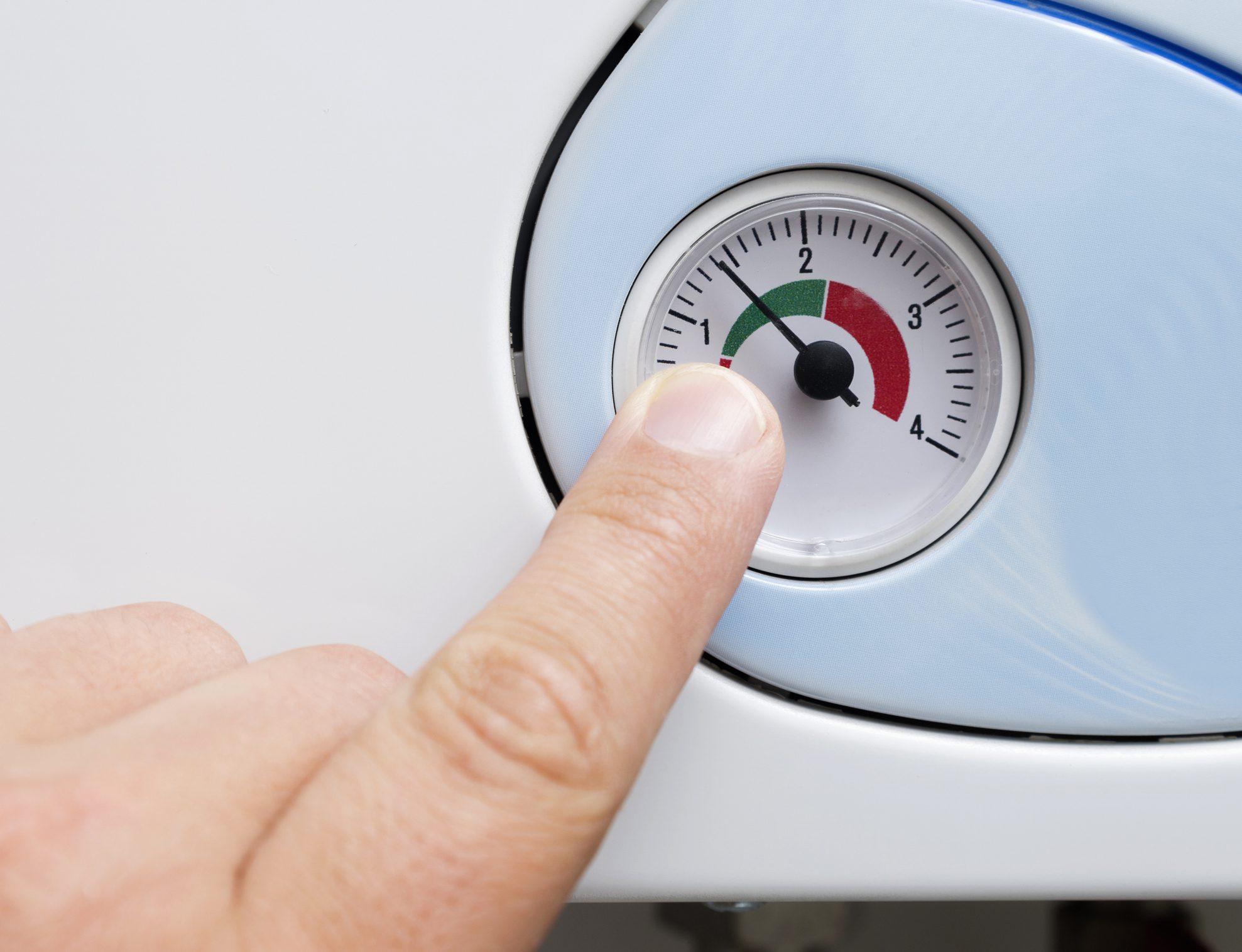
Look at the pressure gauge on the front of the boiler. On many systems, the pressure should usually be around 1 to 1.5 bar when the system is cold. If the needle is below 1 bar, pressure may be too low.
Low pressure can happen after bleeding radiators, a small leak in the system or a fault with a boiler component. It can also happen gradually over time.
Some homeowners are comfortable topping up the boiler pressure using the filling loop, but you should only do this if you know how and your boiler manual confirms the correct method. It is important not to overfill the system. Too much pressure can cause other problems.
If your boiler pressure keeps dropping after you top it up, there is likely to be an underlying issue. This could be a leak, an expansion vessel fault or a pressure relief valve problem. In that case, it is best to book a boiler repair so the cause can be found properly.
4. The boiler has locked out
A boiler lockout means the boiler has shut itself down because it has detected a problem. This is a safety feature. The appliance stops operating to protect your home and the boiler itself.
When a boiler locks out, you will often see a fault code on the display. You may also see a red light or a reset message. The exact code depends on the make and model of the boiler.
Common causes of a lockout include low pressure, ignition failure, overheating, a blocked condensate pipe or a problem with the gas supply. Sometimes the boiler may try to fire up, make a few noises, then stop.
You can usually try one reset by following the instructions in your boiler manual. Before you do this, write down the fault code or take a photo of it. This can help an engineer understand what has happened if the fault returns.
Do not keep resetting the boiler again and again. If it locks out repeatedly, it is not something to ignore. The boiler is shutting down for a reason and repeated resets will not fix the underlying fault.

5. There is a problem with the gas supply
If the boiler has power and the controls are calling for heat, but it still will not fire, there may be a problem with the gas supply.
Start by checking whether other gas appliances are working. If you have a gas hob, see if it lights as normal. If no gas appliances are working, the issue may be with the gas meter, gas supply or prepayment credit if you use a prepayment meter.
If you can smell gas, turn off the gas supply at the meter if safe to do so, open doors and windows, avoid using electrical switches and call the National Gas Emergency Service immediately on 0800 111 999.
If your gas supply appears to be working but the boiler will not ignite, the problem could be with an internal boiler part such as the gas valve, ignition leads, electrodes or flame sensor. These parts must only be checked and repaired by a Gas Safe registered engineer.
Never remove the boiler casing or attempt to work on gas components yourself. It is unsafe and can put your household at serious risk.
6. The condensate pipe is frozen or blocked
In cold weather, a frozen condensate pipe is one of the most common reasons for a boiler not firing up. This usually affects condensing boilers, which are fitted in most modern homes.
The condensate pipe carries acidic waste water from the boiler to a drain. If part of the pipe runs outside, it can freeze when temperatures drop. Once frozen, the boiler cannot drain properly and may lock out.
Signs of a frozen condensate pipe can include:
- A fault code on the boiler display
- Gurgling noises from the boiler or pipework
- The boiler trying to start, then stopping
- No heating or hot water during cold weather
If the pipe is easy to reach at ground level, you may be able to thaw it using warm water, not boiling water. Pour the warm water slowly over the frozen section and then try resetting the boiler according to the manual.
Do not climb ladders, lean out of windows or take risks on icy ground. If the pipe is hard to access, or if you are unsure what you are looking at, call an engineer.
To prevent the same problem happening again, the pipe may need better insulation or a different route. This can often be discussed during a repair visit or annual boiler service.
7. The boiler ignition has failed
If the boiler has gas, power and correct pressure, but still does not light, there may be an ignition fault.
The ignition system creates the spark that lights the gas inside the boiler. If it fails, the boiler may click, try to start, then shut down. In some cases, it will show an ignition fault code or flame failure message.
Ignition faults can be caused by worn electrodes, faulty ignition leads, a blocked burner, a problem with the gas valve or an issue with the flame sensor. Moisture, dirt and general wear can also affect ignition parts over time.
This is not a DIY repair. Anything involving combustion, gas or internal boiler parts should be handled by a Gas Safe registered engineer.
A professional engineer can test the ignition sequence, check whether the boiler is receiving gas correctly and inspect the parts responsible for lighting and sensing the flame. If a part has failed, they can advise whether it can be repaired or needs replacing.
8. The pump or fan is not working
Your boiler relies on several moving parts. Two of the most important are the pump and fan.
The pump moves heated water around your central heating system. If it fails or becomes stuck, the boiler may overheat or shut down. You might notice the boiler firing briefly, then stopping. You may also hear humming or unusual noises.
The fan removes waste gases safely through the flue. Most modern boilers check that the fan is working before they ignite. If the fan is faulty, the boiler may not fire at all. This is an important safety process, so the boiler will usually lock out rather than run with a fan fault.
Pump and fan problems often need proper testing. The symptoms can be similar to other boiler faults, so guessing can lead to unnecessary part replacements.
If your boiler is making unusual noises, failing to start or cutting out soon after firing, arrange a professional inspection. Our boiler repair service can help identify whether the issue is with the pump, fan or another part of the system.
9. The boiler is overheating or has a circulation problem
A boiler may refuse to fire up if it has overheated or if it cannot circulate water properly. This can happen when there is a blockage, air in the system, a faulty pump or a build-up of sludge in radiators and pipework.
If water cannot move around the system correctly, heat can build up inside the boiler. The appliance may shut itself down to prevent damage. You may notice banging noises, very hot pipework, radiators not warming evenly or the boiler cutting out after a short time.
Sludge in the heating system is a common cause of poor circulation. It is made up of rust, dirt and debris from inside radiators and pipework. Over time, it can block narrow waterways and put strain on the boiler.
This is one reason why regular maintenance matters. During an annual boiler service, an engineer can check how the boiler is running and spot signs that the system may need further attention.
If the boiler has already stopped firing because of overheating or poor circulation, it is best to have it inspected before attempting to use it again.
What should you check before calling an engineer?
There are a few safe checks you can do before booking a visit:
- Check whether the boiler display is on
- Check the fuse box and boiler switch
- Check the thermostat setting
- Check the heating timer or programmer
- Check the boiler pressure
- Look for a fault code
- Check whether other gas appliances are working
- Check whether the condensate pipe may be frozen
These checks can help rule out simple causes. They can also give us useful information if you need to call for help.
However, you should stop there. Do not remove the boiler cover, touch internal parts or try to repair anything involving gas, electrics or combustion. Boiler repairs should always be carried out safely by a qualified professional.
When should you book a boiler repair?
You should book a repair if your boiler will not fire up after basic checks, if it keeps locking out or if you see the same fault code more than once.
You should also call an engineer if you notice leaks, burning smells, banging noises, repeated pressure loss or any sign that the boiler is overheating. If there is no heating or hot water and you rely on your boiler every day, it is better to get the problem checked promptly rather than waiting for it to get worse.
A boiler that fails to fire may need a simple fix, but it could also be a sign of a worn part or a safety issue. Proper diagnosis is the quickest way to understand what is wrong.
At The Boiler Co. NE, we work with homeowners across Newcastle and nearby areas. Whether your boiler is completely dead, showing a fault code or trying to start then cutting out, we can help find the cause and recommend the right next step.
How to reduce the risk of future boiler breakdowns
No boiler can be guaranteed never to break down, but regular care can reduce the chances of sudden problems.
The best place to start is with an annual boiler service. A service gives an engineer the chance to inspect the boiler, check key components and make sure it is working safely. It can also help spot early warning signs before they turn into a full breakdown.
You can also help by keeping an eye on pressure, reporting leaks early, bleeding radiators when needed and not ignoring unusual noises. If your boiler is older and breakdowns are becoming more frequent, it may be worth discussing whether repair or replacement is the better long-term option.
Small issues often become more expensive when left too long. If your boiler starts behaving differently, it is sensible to get advice before it stops working altogether.
Need help with a boiler that will not turn on?
If your boiler is not firing up, start with the safe checks: power, pressure, thermostat settings, timer settings and fault codes. If those do not solve the issue, it is time to call a qualified engineer.
The problem could be low pressure, a frozen condensate pipe, ignition failure, a faulty pump, a fan issue or another internal fault. Some causes are simple, but others need proper diagnosis and safe repair.
For help in Newcastle and the surrounding areas, get in touch with The Boiler Co. NE. We can inspect the fault, explain the cause clearly and carry out the right repair to get your heating and hot water working again.