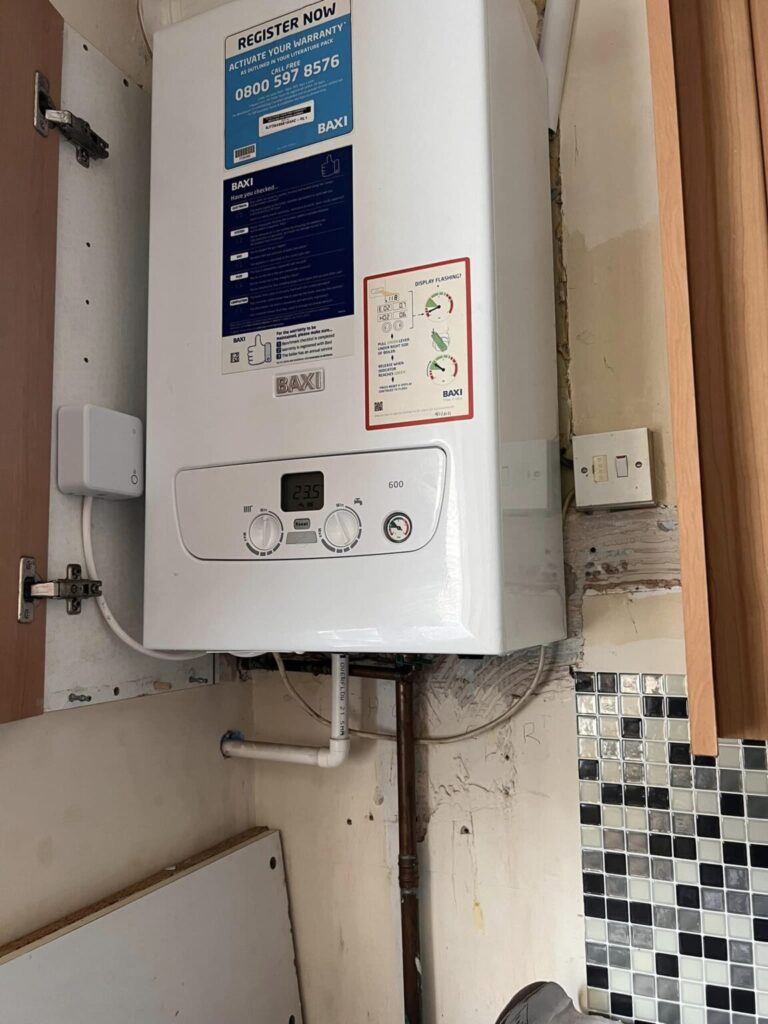
Your boiler keeps turning off for one of several common reasons, ranging from simple low water pressure to issues that demand attention from a qualified engineer. In the UK, this problem can leave you without heat or hot water just when you need it most. This guide walks you through every likely cause, how to spot it, which fixes are safe to try at home, what repair costs you may face, and when to call in the professionals.
Quick Answer: Why Your Boiler Turns Off Repeatedly
A boiler that keeps turning off is often protecting itself from damage or unsafe operation. The main culprits are low water pressure, a faulty thermostat, a blocked or frozen condensate pipe, internal component failures, or issues with fuel supply. Some issues are easy to spot and fix, while others are complex and need a registered professional. Act fast. Ongoing shutdowns can cause further harm or leave you with no heating or hot water during cold weather.

Step-by-Step: Diagnosing the Problem
Let’s take a closer look at each common reason your boiler keeps switching itself off, how to spot the symptoms in your home, and whether you can do anything safely yourself.
1. Low Water Pressure
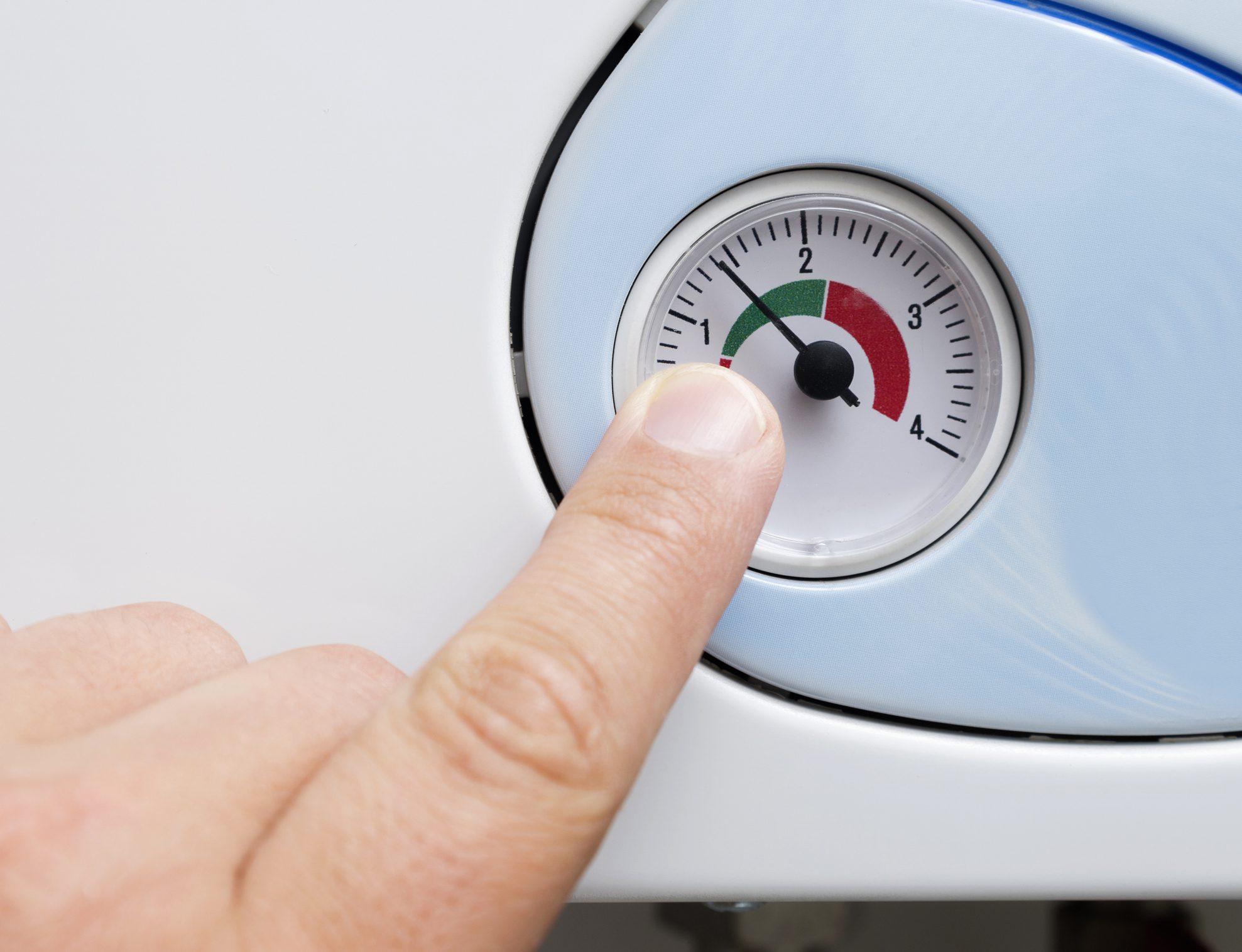
Symptoms: Your boiler’s pressure gauge reads below one bar, you may notice your radiators are cold at the top, or the boiler refuses to fire up for more than a few minutes.
Modern boilers shut themselves down if the pressure is too low, as safe operation depends on maintaining the right amount of water within the system. Loss of pressure is sometimes due to small leaks in your pipework or radiators, or it can be caused by recent bleeding of radiators without topping up the pressure. In some cases, the pressure relief valve itself may be faulty.
DIY check: Look at the pressure gauge (usually on the front of your boiler). Topping up the pressure is straightforward for most domestic systems, using the filling loop, but always consult your manufacturer’s instructions first. If you notice the pressure drops rapidly again after topping up, there’s probably a leak or faulty part needing professional attention.
Risks: Never attempt to fix internal leaks or touch gas components yourself. Water around the boiler, or repetitive pressure loss, calls for a Gas Safe registered engineer.
2. Thermostat Issues
Symptoms: Incorrect room temperature readings, heating not firing when it should, or your system starting and stopping erratically.
Mechanical and programmable thermostats can fail, causing your boiler to receive the wrong signals about when to run. Faulty sensors, a misconfigured schedule, or flat batteries in wireless thermostats can all be to blame. In the UK, many modern boilers rely on compatible smart thermostats; wiring faults or loss of signal can also provoke shutdowns.
DIY fix: Try new batteries, check your thermostat is set to the right temperature and schedule, and ensure it’s not in direct sunlight or next to a heat source. For wired models, loose connections may play a part, but do not open the boiler or tackle the wiring yourself.
3. Frozen Condensate Pipe
Symptoms: In cold weather, you may hear gurgling or notice water backing up. The boiler shuts down, often with a specific error code or flashing fault light.
Condensing boilers direct waste water, called condensate, through a plastic pipe which often runs outside. In winter, this pipe can freeze, blocking the flow and causing the boiler to switch off automatically for safety.
DIY fix: If you suspect a frozen pipe and it is safe to do so, gently thaw it with warm (not boiling) water or a warm cloth. Know the route of your condensate pipe and assess for ice. Do not use a naked flame or boiling water, which risks damage.
Professional solution: Long-term solutions may include lagging (insulating) the pipe or rerouting it internally. If the boiler refuses to reset after thawing, call an engineer.
4. Faulty Components
Modern boilers shut down if any of several critical components fail. Here are some of the most frequent culprits:
Pump or Fan Failure
Symptoms: Loud noises from the boiler, total shutdown, or a ‘pump failure’ error on the display. The fan removes dangerous gases, and the pump circulates water, if either stops, the system will not allow itself to run.
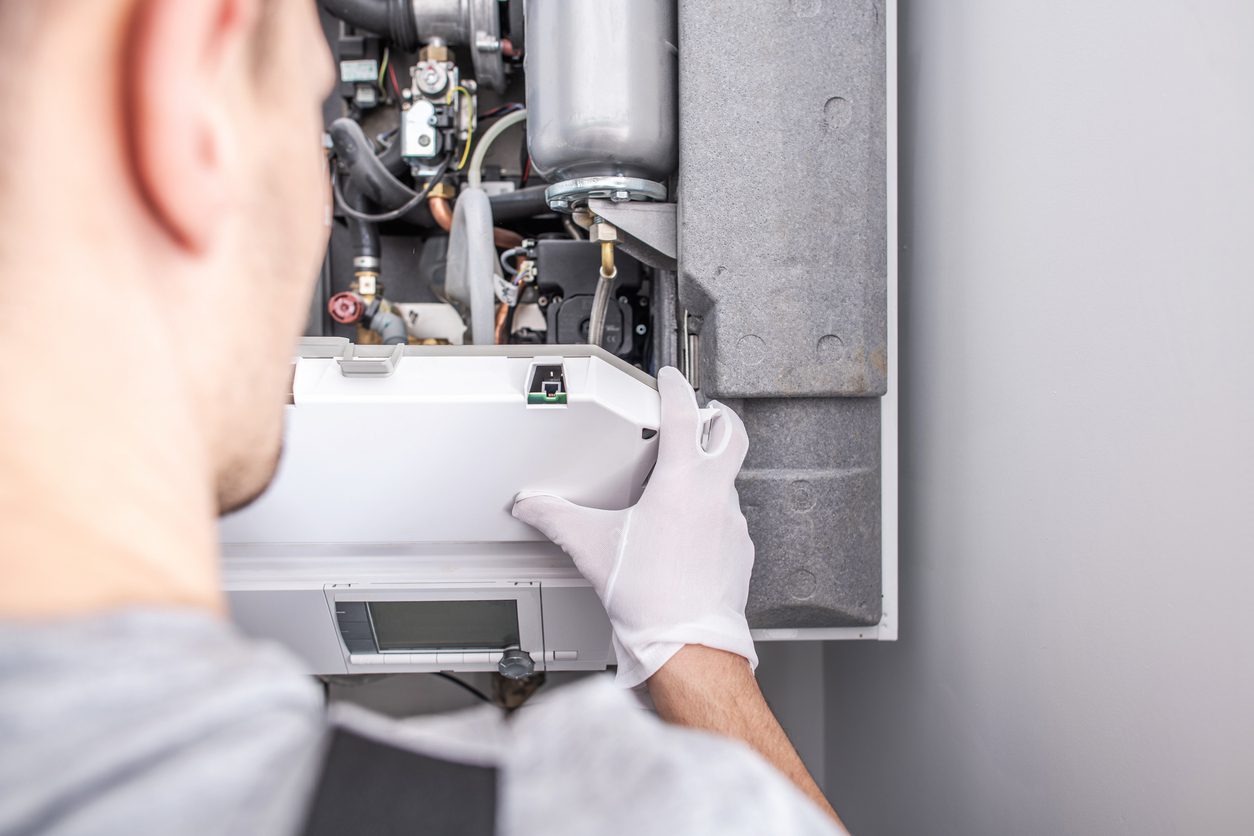
Diagnosing whether it’s the fan or pump means listening for startup noises and noting any error codes. Replacement usually requires a specialist, do not open the boiler case or attempt repairs yourself.
Blocked Heat Exchanger
Symptoms: Kettling noises (sounds like a boiling kettle), inconsistent heating, or hot water cutting in and out.
Hard water areas in the UK make boilers susceptible to limescale and sludge buildup in the heat exchanger. When blocked, it cannot transfer heat efficiently, and the system concludes it needs to power down.
A professional can clean or replace the heat exchanger; annual servicing helps prevent blockages.
Valve Failures
Safety valves, temperature control valves, or diverter valves (especially in combi boilers) can jam or fail, leading to repeated switching off. Faults with these valves may show as inconsistent hot water supply, cold radiators, or leaks.
Replacement is a job for a qualified engineer.
5. Short Cycling Explained
Symptoms: Boiler turns on for a short burst, then switches itself off, repeating the process many times an hour.
Short cycling dramatically shortens the life of your boiler and wastes energy. Common causes include incorrect boiler sizing for your home, faulty thermostats or sensors, and blockages in pipes or radiators. Addressing the underlying fault may involve balancing the system, cleaning out radiators, or in rare cases, replacing an incorrectly specified boiler.
6. Boiler Error Codes
Nearly every modern boiler displays an error code or flashes a fault light if it turns off unexpectedly. The manual, or the manufacturer’s website, will decode these. Common codes relate to pressure loss, flame failure, or sensor errors.
Write down the error code before resetting the boiler or calling for help. This speeds up diagnosis and repair.
7. Fuel Supply Issues
Symptoms: No gas supply (if you’ve also lost supply to your cooker or gas fire), or an LPG/oil tank running low.
If there’s no gas supply to the boiler, it will shut down to prevent running dry. This may be the result of a closed gas valve, an issue in the wider network, or the gas company’s work nearby. Always check other gas appliances. If everything else works, the issue is within the boiler.
Do not interfere with the gas supply line. British regulations require a Gas Safe engineer for any work beyond basic checks.
Symptoms to Watch For With Boiler Shutdowns
Besides switching off, your boiler may show additional warning signs that help pinpoint the fault: gurgling or kettle-like noises, radiators staying cold despite demand, no hot water or only hot water in combi boilers, dripping or pooling water under the unit, and flashing error codes or warning lights. Noting the pattern, as well as the timing such as always turning off when the heating timer kicks in, helps the engineer diagnose more quickly.
Can I Fix a Boiler That Keeps Turning Off Myself?
Some checks are safe and within the typical UK homeowner’s abilities. These include topping up water pressure via the filling loop as per your manual, thawing a visible frozen condensate pipe, checking or resetting your thermostat and schedule, and ensuring radiators are bled after recent work. However, the majority of boiler faults require specialist knowledge, tools, and registration to fix legally and safely. Opening the case, replacing internal parts, or dealing with gas supply must always be left to a Gas Safe registered engineer. Incorrect repairs lead to gas leaks, carbon monoxide risks, or invalidated home insurance.

When to Call a Gas Safe Engineer
You should request professional help immediately if:
- The boiler’s water pressure keeps dropping after you refill it
- There’s any sign of a water leak
- You smell gas or see a flame failure error
- The boiler displays repeated or unexplained error codes
- The heating or hot water is failing frequently, and DIY reset does not help
Always look for a Gas Safe logo and ID when choosing an installer or repairer in the UK. The Boiler Co North East, based in Newcastle and serving the whole Tyneside region, ensures all work is completed by Gas Safe registered engineers for your peace of mind.
Typical Costs to Repair a Boiler Turning Off
UK repair costs can range widely, depending on which part has failed:
- Pressure sensor/filling loop issue: typically £70–£150
- Thermostat replacement: £50–£180 (more for smart thermostats)
- Pump replacement: £150–£300
- Heat exchanger replacement: £400–£600 (sometimes not worth it for older boilers)
- Diagnosing and repairing a frozen condensate pipe: usually under £100
Any emergency or out-of-hours callout may increase your final bill. The cost to repair can often be weighed against the price of a new, more efficient boiler, especially when major components or multiple issues are present.
Is It Better to Repair or Replace?
If your boiler is under 10 years old, and the fault is minor (pressure, thermostat, simple valve), it’s usually sensible to repair, even with moderate parts costs. However, for boilers older than this, especially those facing a failed heat exchanger, pump, or control board, a replacement may be more cost-effective in the long run.
Replacing an older, inefficient model can also save on running costs and lower your carbon footprint. Always get a full price breakdown from any professional, and don’t be afraid to seek a second opinion.
Prevention: How to Avoid Repeated Boiler Shutdowns
Regular maintenance goes a long way in keeping your boiler running smoothly. Book a full annual service with a Gas Safe engineer, which catches many problems before they cause breakdowns. Bleed your radiators if they get cold at the top. Keep your condensate pipe insulated in winter. Check your home’s water pressure, especially after plumbing work. If your area has hard water, ask about fitting a magnetic filter or water softener to protect your system.
These simple habits reduce the chance of emergency repairs and extend the life of your heating system. To keep on top of maintenance, you can learn more about professional boiler servicing in Newcastle from The Boiler Co North East, who work with all boiler types and cover the main UK brands.
Choosing a Professional Boiler Service in Newcastle & the UK
For quick diagnosis, expert repair, and annual servicing that prevents issues like repeated shutdowns, always use a reputable local company. The Boiler Co North East, your heating engineers in Newcastle, serves Newcastle and the North East, bringing expert knowledge, official Gas Safe registration, and experience with all boiler types (including Worcester and Baxi). Local knowledge helps you get back up and running faster, especially during winter.
Book a Boiler Service or Repair
A boiler that keeps turning off is not only an inconvenience, it puts your comfort and wallet at risk if ignored. For peace of mind and safety, book your service, repair, or full inspection with The Boiler Co North East. Our Gas Safe engineers can handle callouts fast across Newcastle, Gateshead, North Tyneside and beyond.
Ready for a fix? Call The Boiler Co North East or book your boiler service in Newcastle or request central heating boiler repairs in Newcastle now and take action before your next cold shower.
FAQs: The Boiler Co North East
Can you repair a boiler that keeps turning off on the same day in Newcastle?
We offer rapid local callouts across Newcastle, Gateshead and Tyneside. When our schedule allows, we attend the same day. Many faults are diagnosed and resolved on the first visit.
What does your Gas Safe boiler service include?
We carry out combustion and safety checks, inspect the flue and ventilation, clean key components where required, check system pressures and seals, and update your service log. We can also advise on filters, inhibitors and condensate pipe insulation.
Do you cover my area for callouts?
Yes. We cover Newcastle upon Tyne, Gateshead, North and South Tyneside, and nearby areas including Gosforth, Westerhope, Longbenton, West Denton, Wallsend, Jesmond, Heaton, Fenham, Fawdon and Ponteland.
Are your engineers insured and Gas Safe registered?
Yes. Every engineer is Gas Safe registered, and our business holds public liability insurance for your peace of mind.
How do you price boiler repairs?
After diagnosis, we provide a clear quote for parts and labour before any work starts. If a repair is uneconomical, we will explain your options and can quote for a replacement instead.