Your boiler should operate in steady, controlled cycles to provide the heating and hot water your home needs. If it repeatedly switches on, runs for a short period and turns off again, it may be experiencing a problem known as boiler short cycling.
Boiler short cycling is more than an irritating sound or a minor interruption. It can make your heating less efficient, increase wear on important components and leave parts of your home feeling colder than expected. In some cases, repeated cycling can also indicate an underlying fault that requires professional attention.
At The Boiler Co. North East, we help homeowners identify and resolve boiler problems across Newcastle and the surrounding areas. In this guide, we explain what boiler short cycling means, why it happens and what can be done to restore reliable heating.
What Does Boiler Short Cycling Mean?
A boiler normally fires up when your thermostat or heating controls request heat. The burner heats the water circulating through your central heating system, allowing your radiators to warm the property. Once the required temperature is reached, the boiler switches off until more heat is needed.
Short cycling happens when the boiler switches on and off much more frequently than it should. It may fire for only a few minutes or even a matter of seconds before shutting down. It then starts again shortly afterwards and repeats the same process.
There is no single running time that applies to every boiler. The length of a normal heating cycle depends on the property, boiler model, outside temperature and thermostat settings. However, frequent stop-start operation that prevents the radiators from heating properly should be investigated.
Is It Normal for a Boiler to Turn On and Off?
It is normal for boilers to cycle as part of their everyday operation. A modern boiler does not need to burn continuously whenever the heating is switched on. Once the water or room reaches the selected temperature, the boiler should stop firing.
Some modern modulating boilers can also reduce their output when less heat is required. This helps the system maintain a steady temperature without repeatedly operating at full power.
The issue arises when the boiler cannot sustain a suitable heating cycle. If it starts every few minutes, shuts down before the radiators become warm or appears to be constantly restarting, there may be a problem with the boiler, heating controls or central heating system.
What Are the Signs of Boiler Short Cycling?
The most obvious sign is a boiler that repeatedly starts and stops within a short period. Depending on the cause, you may notice other symptoms around the property.
Common signs of short cycling include:
- The boiler firing for only a few minutes at a time
- Frequent clicking or ignition sounds
- Radiators failing to reach the expected temperature
- Rooms heating unevenly
- The boiler becoming unusually hot
- Higher energy consumption without a clear reason
- The boiler fan or pump repeatedly starting and stopping
- Fault codes appearing on the display
- Heating that switches off before the thermostat reaches its target
- Increased noise from the boiler or pipework
A single unusual cycle does not always indicate a serious fault. However, if the behaviour continues, arranging professional boiler repairs in Newcastle can help prevent additional strain on the system.
What Causes a Boiler to Short Cycle?
Short cycling can have several possible causes. Some relate to the boiler itself while others involve the radiators, controls or wider central heating system. A qualified heating engineer will need to assess how the system is operating before confirming the fault.
The Boiler Is Too Powerful for the Property
An oversized boiler can generate heat faster than the central heating system can use it. The water quickly reaches the boiler’s target temperature, causing the burner to switch off. Once the water cools slightly, the boiler fires again.
This pattern can lead to frequent cycling, particularly in smaller properties or homes where only a few radiators are being used. Boiler output should be selected according to factors such as the size of the property, its heat loss, the number of radiators and its hot water requirements.
Choosing the largest boiler available does not necessarily provide better heating. Correct sizing is important for comfort, efficiency and dependable operation.
The Thermostat Is in the Wrong Position
The location of a room thermostat can affect how accurately it measures the temperature of your home. If it is installed near a radiator, in direct sunlight or close to another heat source, it may become warm too quickly and tell the boiler to switch off.
A thermostat positioned in a draughty hallway may cause a different problem. It could continue requesting heat when the rest of the property is already comfortable.
The thermostat should be positioned where it can measure a representative room temperature without being affected by direct heat, cold draughts or sunlight.
The Thermostat or Heating Controls Are Faulty
A damaged thermostat, receiver or programmer may send inconsistent instructions to the boiler. Wireless thermostats can sometimes lose their connection while older controls may develop electrical faults.
Before assuming the boiler is responsible, check whether the thermostat display is operating and whether the programmed heating times are correct. Batteries may also need replacing in some wireless controls.
Electrical covers should not be removed and internal controls should not be adjusted by an unqualified person. If the boiler is not responding correctly after basic checks, an engineer can test the controls and their communication with the heating system.
Water Is Not Circulating Properly
The heat produced by a boiler must be carried away through circulating water. If that circulation is restricted, the water inside the boiler can heat too quickly. The appliance then shuts down to prevent overheating.
Poor circulation can be caused by:
- Closed radiator valves
- Air trapped in radiators
- Heating sludge
- Blocked pipework
- A dirty system filter
- A faulty circulation pump
- Incorrect system balancing
You might also notice radiators that are cold at the bottom, slow to warm or much hotter in some rooms than others. The appropriate solution may involve bleeding or balancing the radiators, cleaning a filter or flushing the heating system. The correct approach depends on what is restricting the flow.
The Circulation Pump Is Faulty
The circulation pump moves heated water from the boiler to the radiators before returning it to be reheated. If the pump is sticking, running at an unsuitable setting or beginning to fail, it may not move water through the system effectively.
The boiler can then reach its maximum internal temperature very quickly and switch off. Once it cools, it starts again and the short cycling continues.
Pump faults should be assessed by a heating engineer. The engineer can check whether the pump is receiving power, operating at the correct speed and moving water around the system as intended.
The Boiler Pressure Is Incorrect
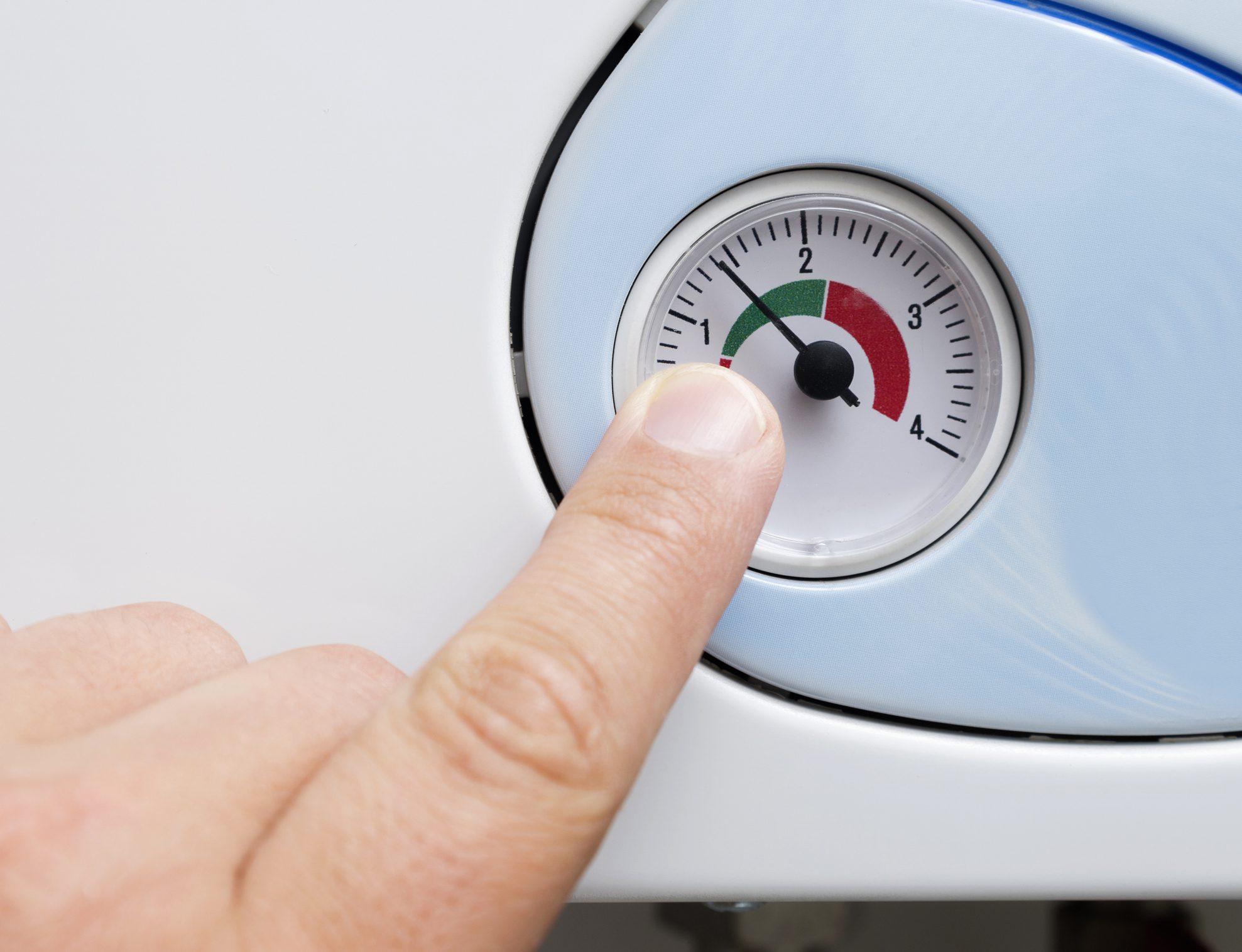
Most sealed central heating systems need to operate within a specified pressure range. The correct level varies between manufacturers, although many boilers are commonly around 1 to 1.5 bar when the system is cold.
Pressure that is too low can prevent the boiler from operating correctly. Some boilers will stop firing completely while others may repeatedly attempt to restart. Excessively high pressure can also cause problems and may indicate an issue with the filling loop, expansion vessel or another component.
Check the manufacturer’s instructions before adjusting the pressure. If the pressure repeatedly rises or falls after being corrected, the cause should be investigated rather than continually topping up or releasing water.
The Heat Exchanger Is Restricted
The heat exchanger transfers heat from the burner to the water in the system. Limescale, magnetite and other debris can restrict the flow of water through it, particularly in older or poorly maintained systems.
When water cannot pass through the heat exchanger effectively, it may become hot very quickly. The boiler’s safety controls then shut down the burner to reduce the risk of overheating.
Restricted heat exchangers can require professional cleaning or replacement. The system may also need further treatment to prevent contaminants from damaging the repaired or replacement component.
A Temperature Sensor Is Giving Incorrect Readings
Boilers use sensors to monitor water temperature and control the burner. If a sensor is faulty or has a poor electrical connection, it may report that the water is hotter than it actually is. The boiler then switches off prematurely.
Sensor faults can sometimes generate an error code but this is not guaranteed. An engineer can test the relevant components and compare the sensor readings with the boiler’s actual operating temperature.
The Boiler’s Internal Bypass Is Not Working Correctly
A bypass allows water to continue circulating when radiator valves close or the available flow through the heating system becomes restricted. If the bypass is incorrectly adjusted, blocked or faulty, the boiler may not have sufficient water flow.
This can cause the boiler temperature to rise quickly and lead to repeated cycling. Because the bypass is part of the system’s hydraulic operation, it should be checked and adjusted by someone familiar with the boiler and central heating design.
Can Short Cycling Increase Energy Bills?
Short cycling can reduce the efficiency of a heating system. Every time the boiler starts, it goes through an ignition process and works to establish stable combustion. Repeating this process more often than necessary can use additional energy.
The stop-start operation may also prevent heat from being distributed evenly. Homeowners sometimes respond by increasing the thermostat temperature or leaving the heating on for longer. This can increase energy use without addressing the underlying fault.
The precise effect on energy bills depends on the boiler, the severity of the problem and how the heating is used. Even if the financial difference is initially small, frequent cycling can place unnecessary strain on components.
Can Boiler Short Cycling Cause Damage?
Short cycling does not necessarily mean that the boiler will fail immediately. However, repeated starting and stopping can increase wear on components such as the burner, fan, pump, ignition system and gas valve.
A circulation problem that causes overheating can also place additional stress on the heat exchanger and seals. If contaminated system water is involved, the same debris may continue damaging the boiler and radiators until the system is properly cleaned.
Prompt diagnosis is usually more cost-effective than waiting for a larger fault to develop. Regular boiler servicing in Newcastle also provides an opportunity to identify wear, check safety controls and review the boiler’s general operation.
What Can You Safely Check Yourself?
There are a few basic observations homeowners can make without opening the boiler or interfering with gas, electrical or combustion components.
You can:
- Check the pressure gauge against the manufacturer’s instructions
- Confirm the thermostat is switched on and requesting heat
- Replace thermostat batteries where applicable
- Review programmed heating times
- Make sure radiator valves have not all been closed
- Check whether an error code is displayed
- Note how long the boiler runs before switching off
- Identify whether every radiator or only one room is affected
These details can help an engineer diagnose the issue more efficiently. You should not remove the boiler casing, alter gas settings or attempt to repair internal components.
If you smell gas, suspect carbon monoxide or feel that an appliance may be unsafe, switch it off if it is safe to do so, ventilate the property and follow the appropriate emergency guidance. Our qualified gas engineers in Newcastle can carry out professional checks on boilers and other gas appliances.
How Is a Short Cycling Boiler Diagnosed?
There is no single repair that solves every case of boiler short cycling. A heating engineer will inspect the complete system and consider when the cycling happens.
The assessment may include:
- Reading stored fault codes
- Testing the thermostat and heating controls
- Checking the flow and return temperatures
- Confirming the system pressure
- Inspecting the circulation pump
- Checking radiator valves and system flow
- Examining the boiler filter
- Testing temperature sensors
- Assessing the heat exchanger
- Reviewing the boiler output and system design
Once the cause is found, the engineer can recommend a suitable repair. This may involve replacing a sensor, repairing the pump, cleaning the system, adjusting the controls or correcting another fault.
Does a Short Cycling Boiler Need Replacing?
Many short cycling problems can be repaired without replacing the boiler. A faulty thermostat, dirty filter, damaged sensor or circulation issue may have a straightforward solution once correctly diagnosed.
Replacement may be worth considering if the boiler is old, poorly sized or experiencing several expensive faults. Availability of replacement parts, repair costs and the boiler’s service history should also be considered.
If a replacement is the more practical option, our team can advise on correctly sized boiler installations in Newcastle. We assess the property’s heating and hot water requirements so the new appliance is suitable for the system rather than simply selecting a higher output.
How Can Boiler Short Cycling Be Prevented?
Not every fault can be prevented, but suitable maintenance and correct system use can reduce the likelihood of short cycling.
Have the boiler serviced annually by a qualified engineer. Keep radiator valves and heating controls in working order and address pressure changes rather than repeatedly resetting the system. If radiators develop cold areas or take longer to heat, arrange an inspection before circulation becomes severely restricted.
When installing a new boiler, make sure its output suits the property. Suitable controls, correct commissioning and a clean heating system are all important for efficient long-term operation.
It is also worth paying attention to changes in how the boiler sounds or performs. Early warning signs can be easier and less expensive to resolve than a complete winter breakdown.
Arrange an Inspection for a Short Cycling Boiler
A boiler that constantly switches on and off is telling you that something within the appliance or heating system may not be working correctly. The cause could be as simple as a control setting or as involved as restricted circulation, a failing pump or an incorrectly sized boiler.
Ignoring short cycling may result in uneven heating, unnecessary energy use and additional wear. A professional assessment will establish why the boiler is cycling and what is required to restore reliable operation.
If your boiler repeatedly starts and stops, get in touch with The Boiler Co. NE. We provide dependable boiler diagnosis, repairs, servicing and installation throughout Newcastle and the surrounding areas.