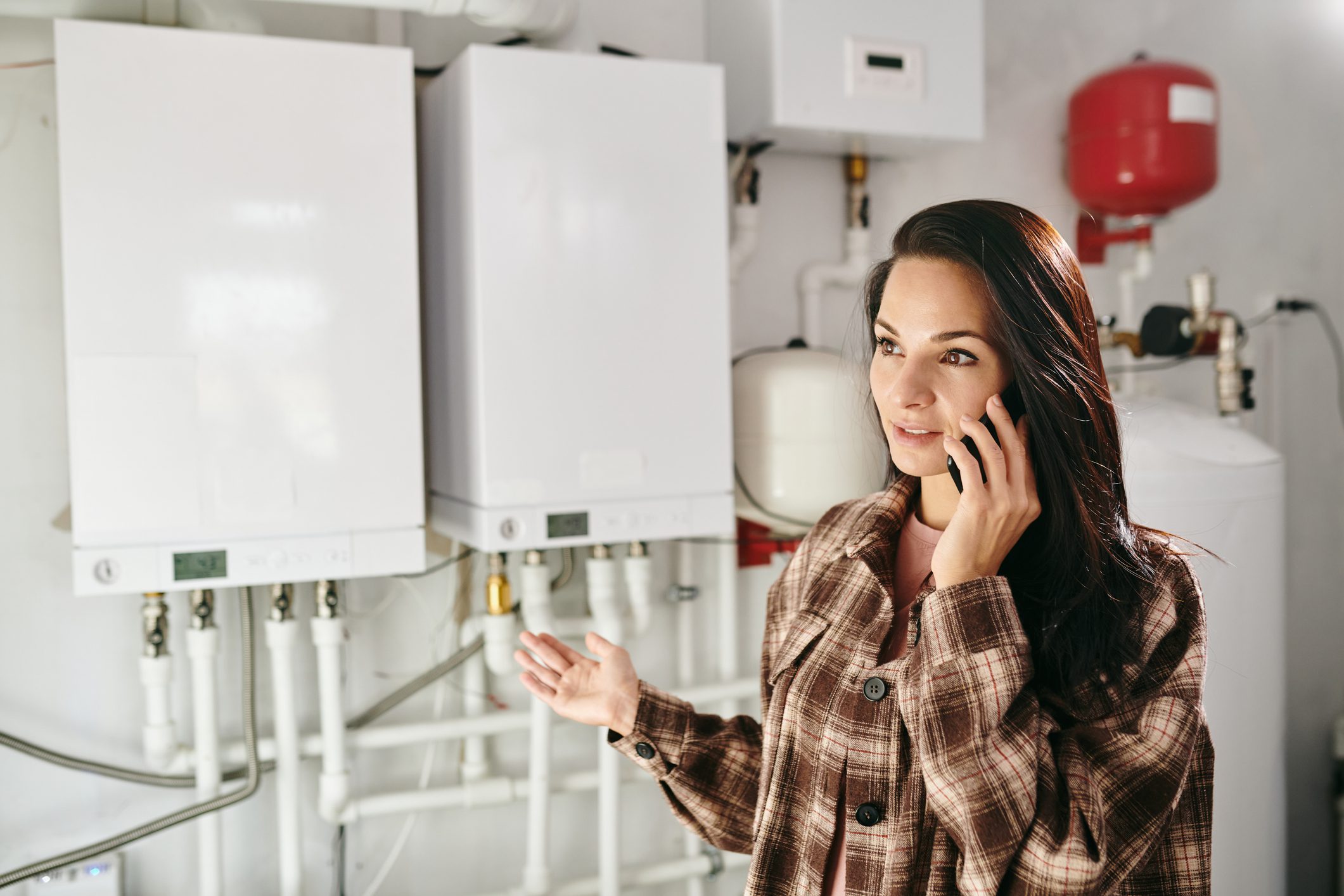
Choosing where to put a new boiler is not just about finding an empty wall. The location needs to be safe, practical and suitable for the type of boiler being fitted. It also needs to allow for flue positioning, pipework, ventilation, drainage, future servicing and everyday access.
In many homes, the boiler is fitted in a kitchen, utility room, airing cupboard, loft, garage or bedroom. Some of these locations can work well. Others may only be suitable if certain safety requirements are met. The right choice depends on the layout of your property, the type of boiler, the available wall space and how easy it will be to run the flue and condensate pipe.
At The Boiler Co. NE, we help homeowners choose sensible boiler locations that work for the home and follow the relevant safety rules. If you are planning boiler installations, this guide explains where a boiler can usually be fitted, what to think about before deciding and when a location may cause problems.
Can a boiler be installed anywhere?
No, a boiler cannot simply be installed anywhere in the home. A suitable location must allow the boiler to work safely, release flue gases correctly, receive enough air where needed, drain condensate properly and be accessed for servicing and repairs.
Gas work must also be carried out by someone who is properly qualified. HSE states that, for a gas engineering business to legally undertake gas work within the scope of the Gas Safety Regulations, it must be on the Gas Safe Register. Gas Safe Register also says anyone carrying out work on gas appliances and fittings as part of their business must be competent and registered.
For homeowners, this means the location should be assessed by a Gas Safe registered engineer before any work starts. A place that looks convenient may not be suitable once flue distances, cupboard space, access, pipe routes and drainage are checked.
Building Regulations and boiler location
When a gas boiler is installed in England and Wales, the local authority needs to be informed so a Building Regulations Compliance Certificate can be issued. Gas Safe Register says a registered business must notify the relevant local authority within 30 days of installing a heat-producing appliance such as a boiler. The certificate belongs to the property and can be useful when selling or remortgaging.
This is one reason it is important to use a qualified installer. A new boiler is not only about the appliance itself. The installation should also meet the rules that cover safe use, flues, air supply, carbon monoxide alarms and energy efficiency.
Approved Document J gives guidance for combustion appliances, including boilers, chimneys and flues. Planning Portal summarises it as covering safe installation and use, suitable air supply, carbon monoxide warning systems and control of combustion products such as smoke and flue gases.
Can a boiler be installed in a kitchen?
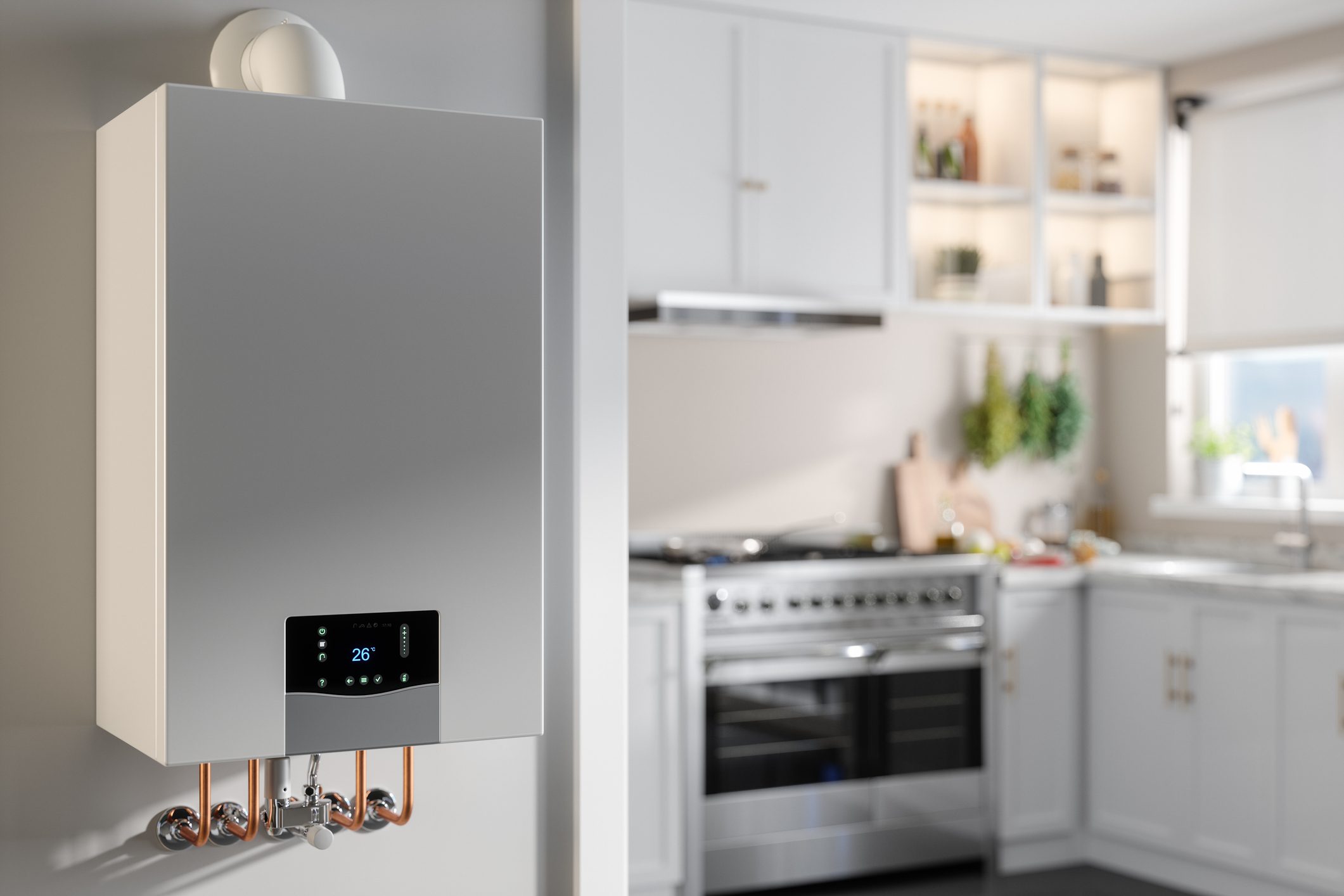
A kitchen is one of the most common places for a boiler. It often works well because there is usually access to water, gas, electrics and drainage. The boiler can also be fitted on an external wall, which may make the flue route more straightforward.
A kitchen installation can be a good option if:
- There is enough wall space
- The boiler can be accessed safely
- Cupboards will not block access
- The flue can terminate in a suitable position
- The condensate pipe can reach a suitable drain
- The boiler will not be too close to cooking appliances or areas where it may be damaged
Many homeowners choose to house the boiler inside a kitchen cupboard. This can look neat, but it must still allow access for servicing and repairs. The cupboard must also follow the boiler manufacturer’s clearance requirements.
You should not simply build a cupboard around an existing boiler without checking the manual or asking an engineer. Blocking vents, covering the flue route or leaving too little room around the appliance can create safety and maintenance problems.
Can a boiler be installed in a cupboard?
Yes, a boiler can often be installed in a cupboard, provided the cupboard is suitable. This is common in kitchens, hallways, utility rooms and airing cupboards.
The main points to consider are access, clearance and ventilation. Modern room-sealed boilers often do not need the same cupboard ventilation as older open-flued appliances, but the exact requirements depend on the boiler model and manufacturer instructions.
Approved Document J states that combustion appliances require ventilation to supply air for combustion and to help flues work properly. It also explains that appliance compartments enclosing open-flued appliances should have vents large enough to provide the air needed by the appliance and the flue.
If a boiler is fitted in a cupboard, avoid using the cupboard as general storage. Items pushed around the boiler can block access, restrict airflow, cover controls or create a fire risk. Towels, cleaning products, coats and boxes should not be packed around the appliance.
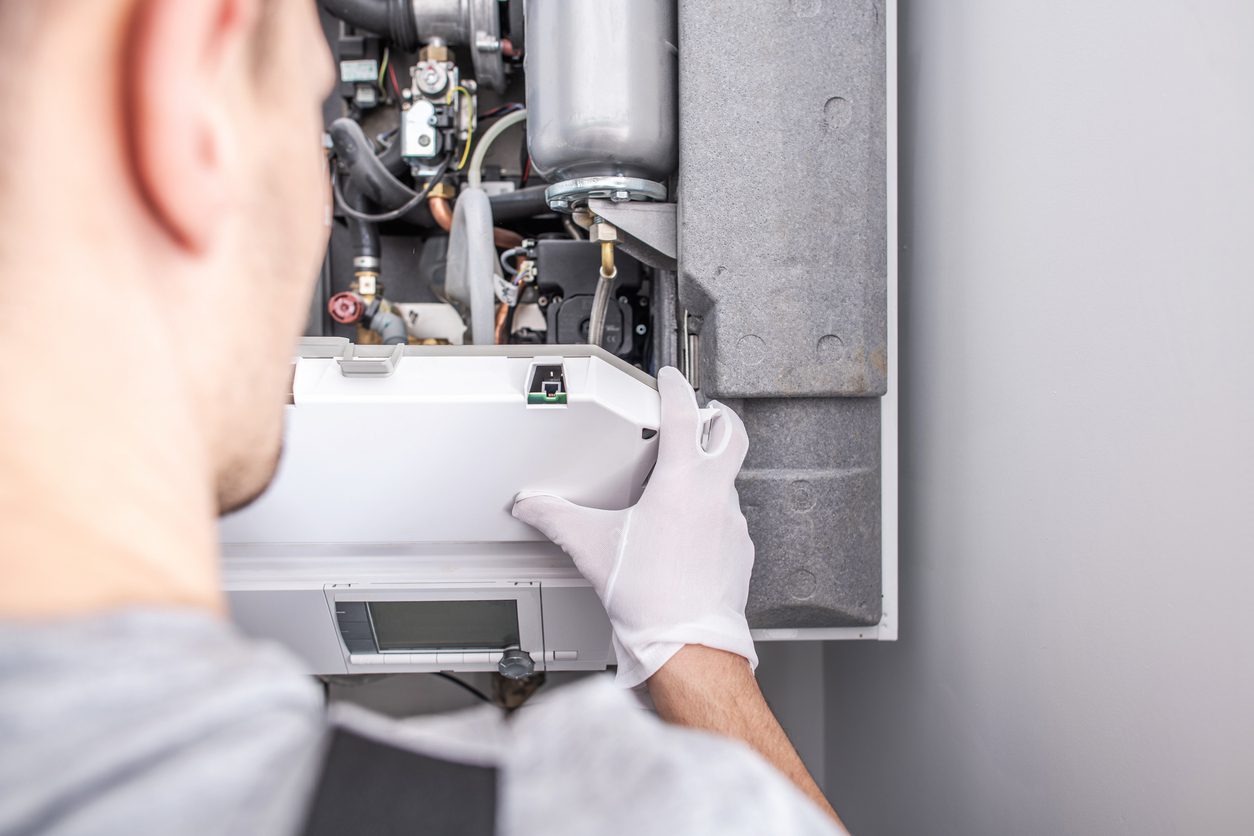
A boiler cupboard should make life easier, not harder. An engineer still needs room to remove the case, inspect the appliance and carry out an annual boiler service.
Can a boiler be installed in a loft?
A loft can be a suitable location for a boiler in some homes, but it needs careful planning. It is not enough to place the boiler in the roof space and hope it works. The boiler must be safe to reach, safe to work on and protected from conditions that could cause problems.
Approved Document J states that there should be a permanent means of safe access to combustion appliances for maintenance, and roof space installations of gas-fired appliances should comply with the relevant British Standard.
In practical terms, a loft boiler usually needs safe access, suitable boarding, enough lighting and enough space around the appliance. The engineer should not have to balance on joists, work in darkness or squeeze into a space where servicing cannot be carried out properly.
A loft installation may also need careful thought around:
- Frost protection
- Condensate pipe routing
- Flue position
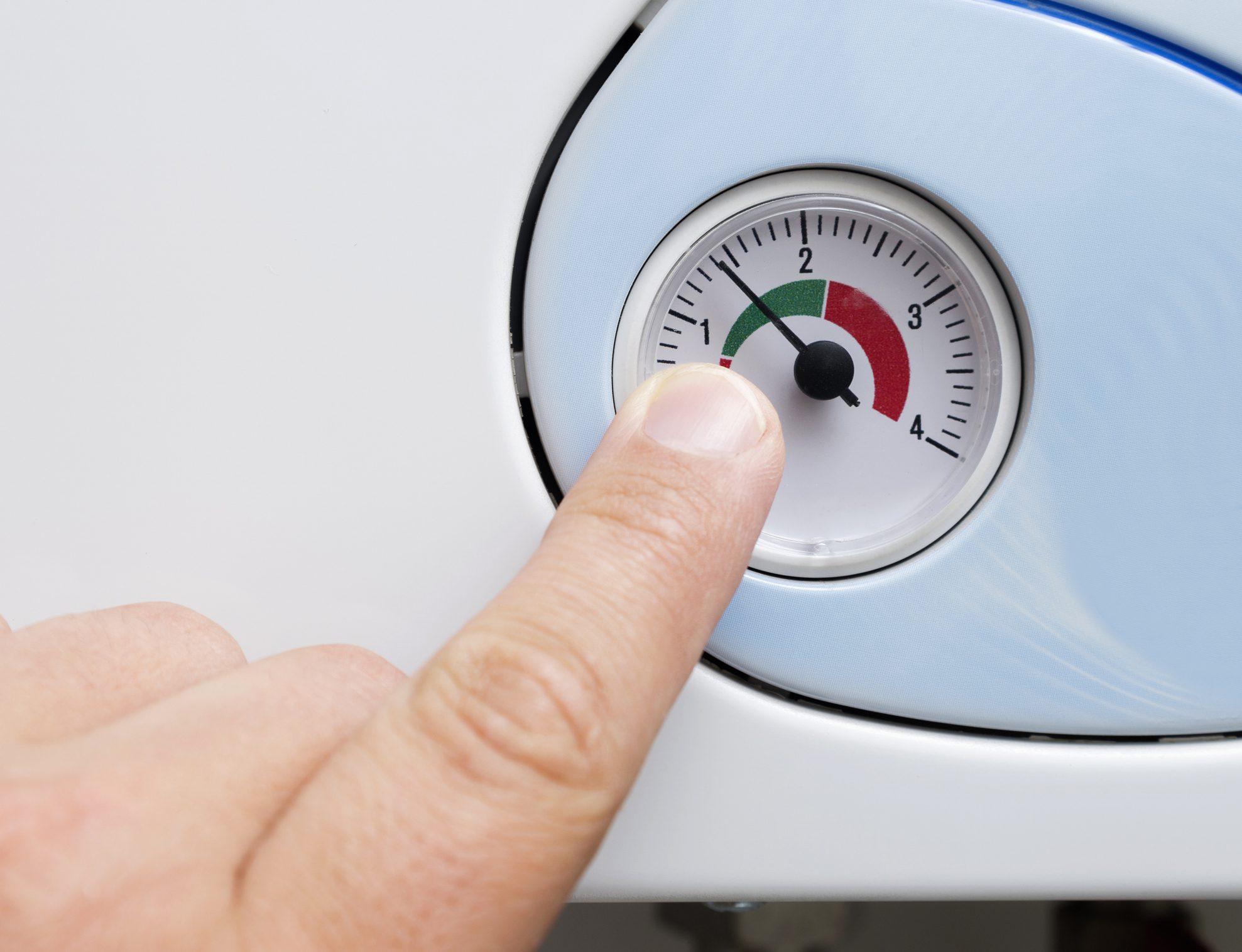
- Boiler pressure checks
- Safe lifting and installation access
- Future repair access
- Noise transfer into bedrooms below
A loft can free up space inside the home, but it is not always the most convenient choice. If the boiler loses pressure, shows a fault code or needs resetting, you may need to access the loft. This is worth thinking about before choosing the location.
Can a boiler be installed in a garage?
A garage can be a good place for a boiler, especially if space inside the home is limited. It can also keep the appliance out of living areas and reduce noise inside the house.
However, garages can be cold, exposed and more likely to experience frost. Pipework and condensate pipes may need insulation and the boiler may need suitable frost protection. The boiler should also be positioned where it is not likely to be knocked by a vehicle, stored tools or bikes.
A garage boiler still needs proper access for servicing and repairs. It should not be hidden behind stacked boxes, shelving or heavy storage. The flue must also be positioned correctly and should not discharge where it could cause a problem near doors, windows, boundaries or neighbouring properties.
If you are thinking about having a new boiler installed in a garage, we can assess whether the location is practical and safe.
Can a boiler be installed in a bedroom?
A boiler can sometimes be installed in a bedroom, but this location needs careful thought. The main safety point is the type of boiler. Modern boilers are usually room-sealed, which means they take air from outside and release combustion gases outside through a sealed flue system.
HSE guidance explains restrictions for rooms used as sleeping accommodation. Since 31 October 1998, rooms converted to sleeping accommodation should not contain certain gas appliances, including gas boilers, unless the appliance is room-sealed or has the required safety controls depending on its input rating. HSE also advises getting a Gas Safe registered engineer to check the appliance if you are unsure.
For a bedroom, you should also think about comfort and access. Boilers make some noise when firing, pumping water and running fans. A cupboard may reduce visible impact, but it must not block required access or airflow. The boiler also needs to be reachable for servicing without disturbing fitted furniture or storage.
If a bedroom is the only practical location, an engineer can advise whether the boiler type, flue route and room layout make it suitable.
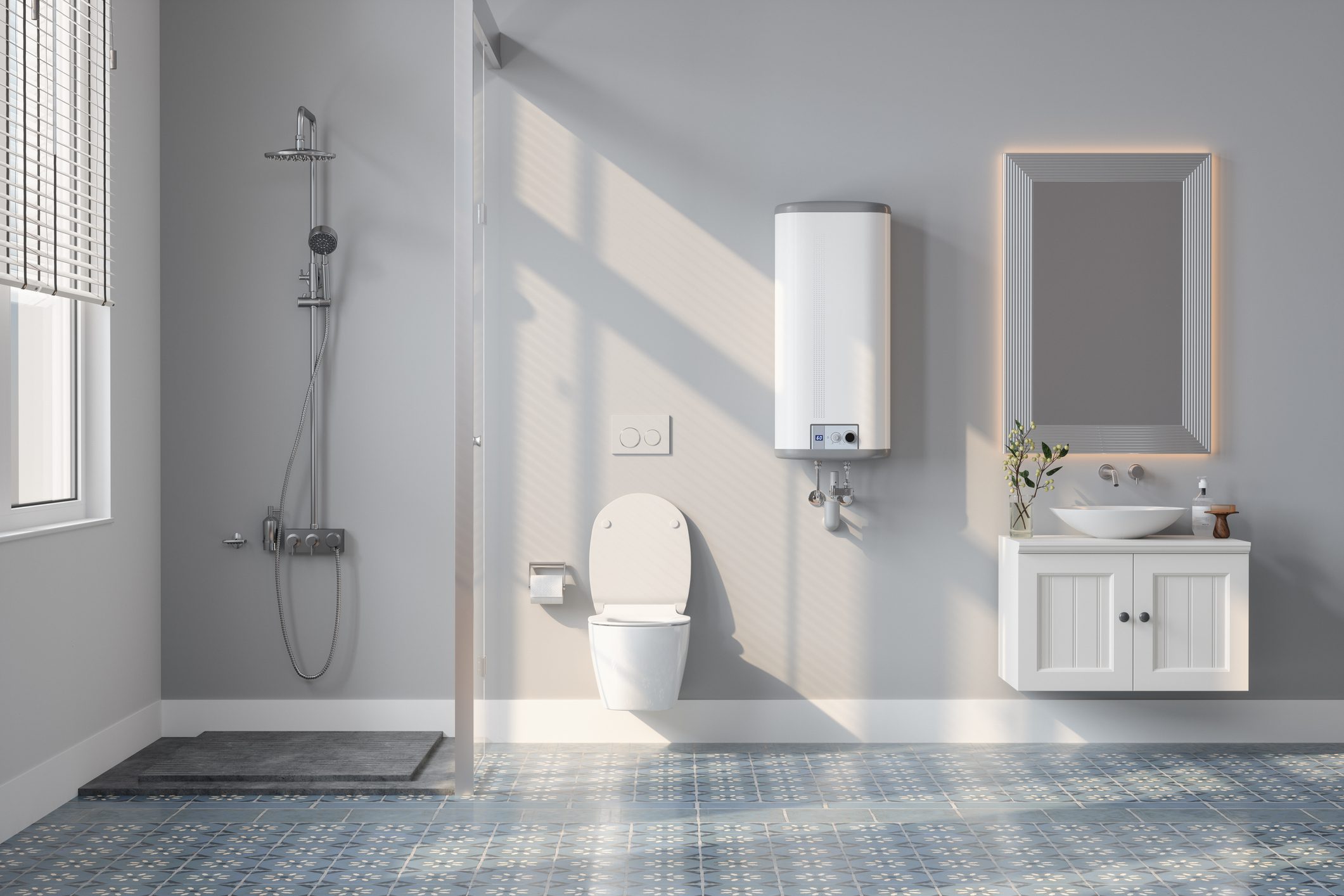
Can a boiler be installed in a bathroom?
Although this article focuses mainly on cupboards, lofts, bedrooms and garages, bathrooms are another common question. The answer is that it may be possible, but there are strict safety points to consider.
The Gas Safety Regulations state that no person shall install a gas appliance in a room used or intended to be used as a bathroom or shower room unless it is room-sealed.
A bathroom installation also needs to consider electrical safety, access, moisture and the manufacturer’s instructions. In many cases, another location may be easier and more practical.
Flue position matters
The flue is one of the biggest factors in deciding where a boiler can be installed. The flue removes products of combustion from the boiler to outside air. It must be positioned safely and meet the required distances from openings, boundaries and other parts of the building.
Gas Safe Register warns that building work can affect gas appliances and highlights the importance of making sure flues are not enclosed, blocked, damaged or placed too close to new windows or openings. It also says only a Gas Safe registered engineer should move a flue.
This is why an internal wall is not always the best boiler location. It may still be possible with a longer flue route, but every bend and length of flue must be suitable for the appliance and fitted correctly.
Condensate drainage
Most modern gas boilers are condensing boilers. They produce condensate, which needs to drain safely away. This usually means connecting the condensate pipe to a suitable waste pipe, soil stack or external drain.
If the boiler is far from drainage, the installation may become more complicated. External condensate pipes can also freeze in very cold weather if they are poorly routed or not insulated. This can stop the boiler from working.
This is a common reason why the easiest-looking wall is not always the best wall. A good installer will think about the full route for gas, water, flue, electrics and condensate before recommending a location.
Access for servicing and repairs
A boiler needs to be accessible throughout its life, not just on installation day. Engineers need safe access to inspect, service and repair the appliance. Approved Document J states that there should be a permanent means of safe access to appliances for maintenance.
Poor access can make future work slower, more difficult or sometimes impossible without removing boxing, cupboards or stored items. This can increase costs and cause frustration later.
Before choosing a location, ask whether an engineer will be able to:
- See the boiler display
- Remove the front case safely
- Reach the pipework
- Check the flue where needed
- Carry out servicing
- Replace common parts
- Work without unsafe climbing or awkward access
A hidden boiler may look tidy, but it still needs to be serviceable.
Carbon monoxide alarms
When a new or replacement fixed gas-burning appliance is installed in a dwelling, Approved Document J says a carbon monoxide alarm should be provided in the room where the appliance is located. The same guidance says a carbon monoxide alarm is not a substitute for correct installation and regular servicing.
This is an important point. A carbon monoxide alarm is a safety measure, but it does not replace proper boiler installation, maintenance or an annual boiler service.
Can you move an existing boiler?
Yes, an existing boiler can often be moved, but it is not always a small job. Moving a boiler may involve changes to gas pipework, heating pipes, hot and cold water pipes, the condensate pipe, electrics and the flue.
You might consider moving a boiler if:
- It is taking up useful kitchen space
- It is difficult to access
- It is too noisy in a bedroom
- It is in the way of building work
- The flue position is no longer suitable
- You are planning a new kitchen or extension
If your boiler is old, unreliable or already needs costly boiler repairs, it may make more sense to replace it rather than pay to move it. We can advise on the most practical option based on the age of the boiler, its condition and your home layout.
Where should you avoid installing a boiler?
Some locations may be unsuitable because they make the boiler unsafe, difficult to maintain or likely to develop problems.
It is usually best to avoid locations where:
- The boiler cannot be accessed safely
- The flue cannot be positioned correctly
- The appliance would be exposed to damage
- Ventilation requirements cannot be met
- The condensate pipe would be likely to freeze
- The boiler would be boxed in too tightly
- Future servicing would be difficult
- The location conflicts with manufacturer instructions
A qualified engineer should always assess the property before confirming the final position.
Choosing the best boiler location for your home
The best boiler location is usually the one that balances safety, practicality and long-term use. A kitchen cupboard may be neat and convenient. A loft may free up living space. A garage may keep the boiler out of sight. A bedroom may work if the appliance is suitable and noise is not an issue.
The right answer depends on your home.
Before deciding, think about:
- Where the boiler can be fitted safely
- How easy it will be to service
- Whether the flue route works
- Where the condensate pipe will go
- Whether the boiler will be protected from frost
- How often you will need to access the controls
- Whether the location will still work if you change the kitchen, bathroom or loft space later
This is where good advice matters. At The Boiler Co. NE, we can assess your property and help you choose a boiler location that makes sense now and in the years ahead.
Need help choosing where to install your boiler?
If you are planning a new boiler, moving an existing boiler or replacing an old appliance, we can help you understand your options. Our team can look at the layout of your home, discuss the best locations and explain what is practical before work begins.
For professional boiler installations, advice on having a boiler installed in a new location or help with servicing and repairs, please get in touch with us today.
FAQs about where a boiler can be installed
Can a boiler be installed in a cupboard?
Yes, a boiler can often be installed in a cupboard, but it must have enough clearance, suitable ventilation where required and safe access for servicing. Always follow the boiler manufacturer’s instructions and get advice from a qualified engineer.
Can a boiler be installed in a loft?
Yes, a boiler can be installed in a loft if the space is suitable. There must be safe access for maintenance, enough room to work, suitable lighting and correct pipe, flue and condensate routes.
Can a boiler be installed in a bedroom?
A modern room-sealed boiler can sometimes be installed in a bedroom, but the appliance type and room layout must be checked carefully. Older open-flued appliances in sleeping accommodation are a safety concern and should be assessed by a Gas Safe registered engineer.
Can a boiler be installed in a garage?
Yes, a garage can be suitable for a boiler. The installation needs to consider frost protection, safe access, possible impact damage, pipe insulation, condensate drainage and flue position.
Can a boiler be installed on an internal wall?
Sometimes, but it depends on the flue route and pipework. Boilers are often easier to fit on external walls because the flue can usually pass straight outside. An internal wall may need a longer flue route.
Do I need a certificate after a new boiler installation?
In England and Wales, the local authority needs to be notified when a heat-producing appliance such as a boiler is installed, and a Building Regulations Compliance Certificate can then be issued. Your Gas Safe registered engineer should notify the installation through Gas Safe Register.