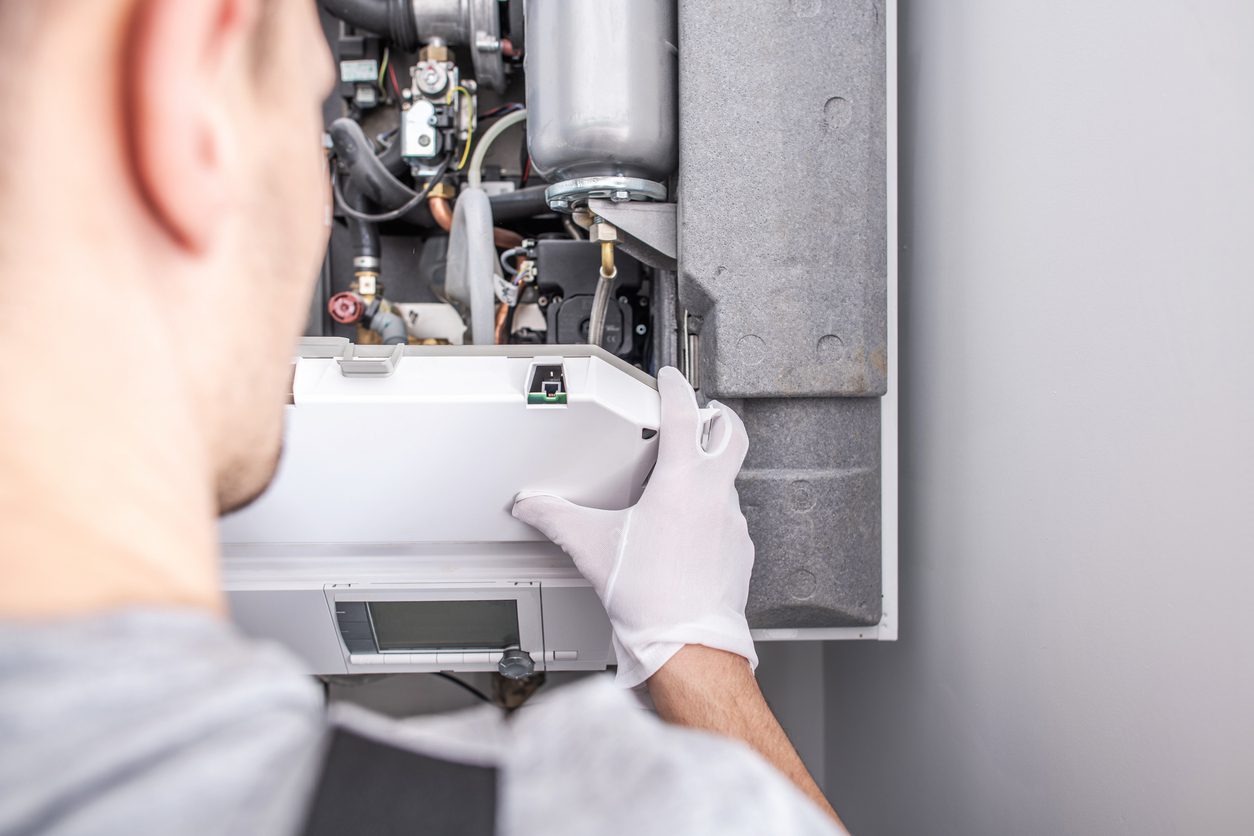
It is a frustrating problem: your radiators are warming up as normal, but the taps are only running cold or lukewarm water. For many homes, especially those with a combi boiler, this can feel confusing. If the heating is working, surely the boiler must be working too?
In reality, hot water and central heating rely on different parts of your boiler and heating system. It is possible for one to work while the other fails. Sometimes the issue is simple, such as a thermostat setting or low pressure. Other times, it can point to a faulty part inside the boiler that needs a qualified engineer.
At The Boiler Co. NE, we help homeowners across Newcastle and the surrounding areas with boiler issues like this every week. In this guide, we explain the most common reasons why your heating may work but your hot water does not, what you can safely check yourself and when to book a professional boiler repair.
First, what type of boiler do you have?
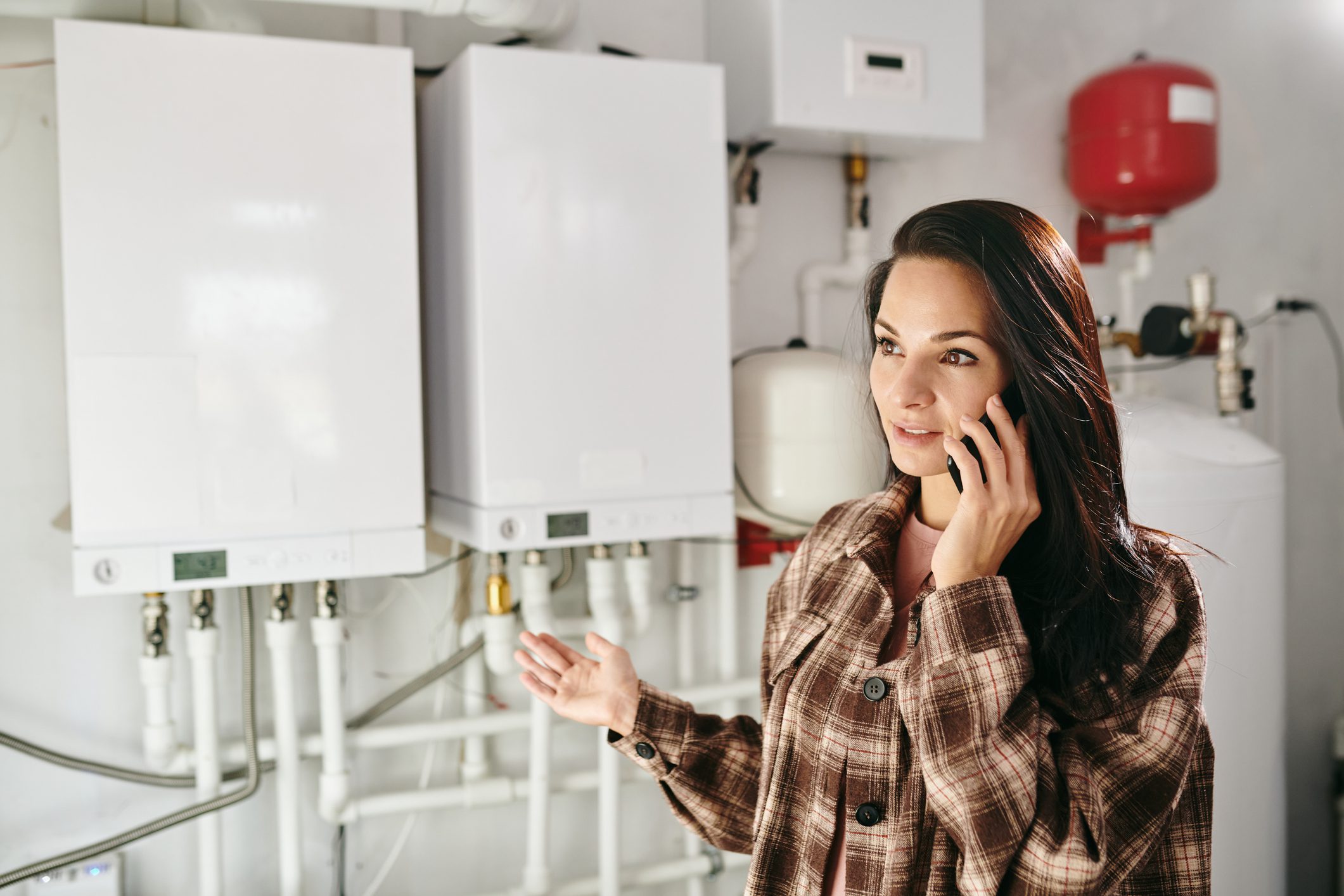
Before looking at the cause, it helps to know what type of boiler system is in your home. The way your hot water is produced can affect what might be wrong.
A combi boiler heats water directly from the mains when you turn on a hot tap. There is no separate hot water cylinder. If you have a combi boiler and your heating works but your hot water does not, the issue is often linked to a part that switches the boiler between heating and hot water.
A system boiler works with a hot water cylinder. The boiler heats water for your radiators and also heats stored water in the cylinder. If your radiators are working but you have no hot water, the issue could be with the cylinder controls, motorised valves, thermostat or programmer.
A regular boiler, sometimes called a conventional or heat-only boiler, also uses a cylinder and usually has tanks in the loft. With these systems, hot water problems can be linked to controls, valves, cylinder thermostats, pumps or the stored water system.
Knowing your boiler type will not fix the problem by itself, but it can help you explain the issue clearly when you speak to an engineer.
Check whether the problem is with all hot taps
Start by testing more than one hot tap in the property. Turn on the kitchen tap, bathroom basin tap and shower if it is supplied by the boiler.
If all taps are running cold, the issue is likely to be with the boiler or hot water system.
If only one tap or shower is affected, the problem may be with that individual tap, mixer valve or shower unit rather than the boiler.
This is a useful first check because it can stop you assuming the boiler is at fault when the issue may be more localised. For example, a thermostatic shower valve can fail or become blocked, causing the shower to run cold even though the boiler is producing hot water elsewhere.
Check your boiler pressure
Low boiler pressure is one of the most common causes of boiler problems. Some boilers may still appear to run in heating mode for a short time, but hot water performance can become poor or stop altogether.
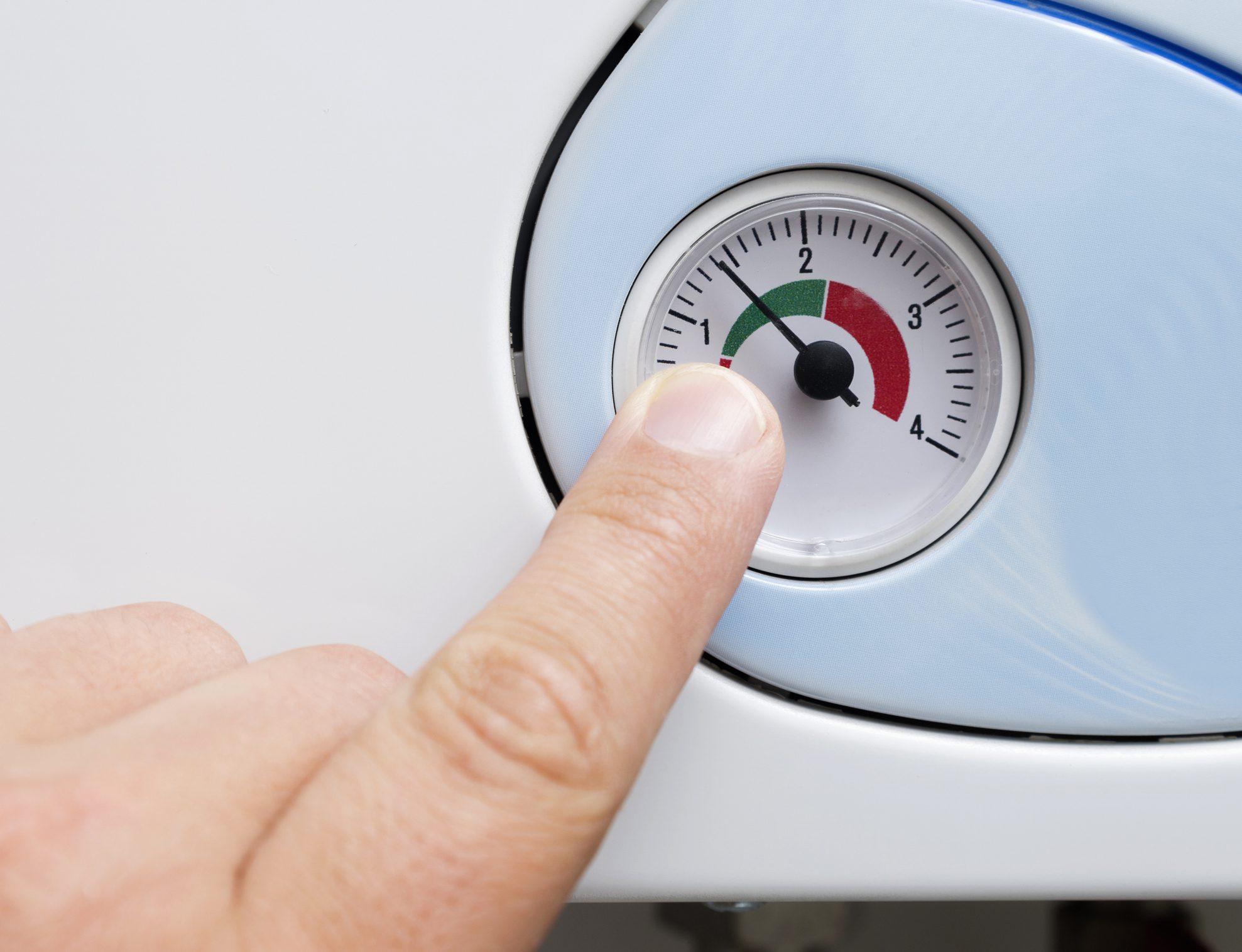
Look at the pressure gauge on the front of your boiler. On many systems, the pressure should usually be around 1 to 1.5 bar when the system is cold. If it has dropped well below this, the boiler may not work correctly.
Some boilers will show a fault code when the pressure is too low. Others may lock out or stop responding when you turn on a hot tap.
You may be able to top up the pressure yourself using the filling loop, but only do this if you are confident and your boiler manual explains the process clearly. Do not overfill the system. If the pressure keeps dropping after being topped up, there may be a leak or another issue that needs attention.
A boiler that regularly loses pressure should be checked by an engineer. It may be a sign of a leak, a faulty pressure relief valve, an expansion vessel issue or another problem within the system.
Check the thermostat and programmer settings
It may sound obvious, but hot water problems can sometimes be caused by settings rather than faults. This is especially true in homes with a hot water cylinder.
Check your programmer or timer to make sure the hot water is set to come on. Some systems allow heating and hot water to be controlled separately, so it is possible for the heating to work while the hot water is switched off.
Also check the cylinder thermostat if you have one. This is usually attached to the side of the hot water cylinder. If it has been turned down too low, the water may not heat properly.
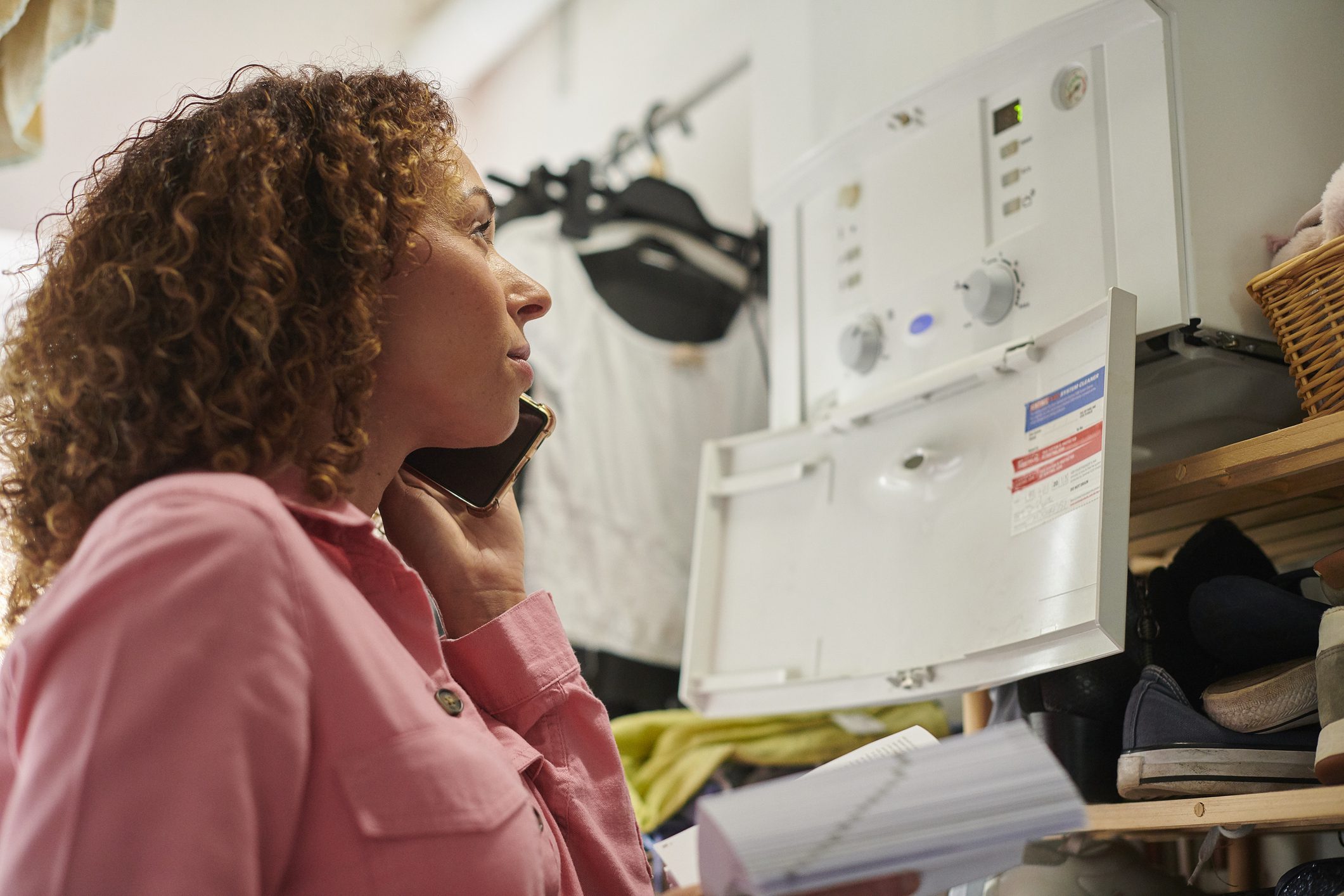
For combi boilers, check the hot water temperature setting on the boiler itself. If it has been reduced, the water may feel cooler than expected. If the display is showing an error code, make a note of it before resetting the boiler or calling an engineer.
The diverter valve may be stuck or faulty
On a combi boiler, one of the most common reasons for having heating but no hot water is a faulty diverter valve.
The diverter valve directs hot water either to your radiators or to your taps. When you turn on a hot tap, the valve should move so the boiler heats water for the tap instead of the central heating. If the valve gets stuck, your heating may continue to work but your taps may not get hot.
Signs of a diverter valve problem can include:
- Radiators heating up when you turn on a hot tap
- Hot water starting warm then going cold
- Heating working normally but taps staying cold
- Boiler firing up for heating but not responding properly to hot water demand
A diverter valve is an internal boiler part, so it should not be repaired or replaced by a homeowner. You will need a qualified engineer to inspect it safely. If you suspect this is the issue, book a boiler repair rather than trying to fix it yourself.
The boiler may not be recognising hot water demand
When you open a hot tap on a combi boiler, the boiler needs to detect that water is flowing. It then fires up to heat the water as it passes through the appliance.
If the boiler does not recognise this demand, it may not fire for hot water even though the central heating still works.
This can happen because of a faulty flow sensor, flow switch or another internal component. You might notice that the boiler display does not change when you turn on the hot tap. In some cases, the tap runs cold and the boiler stays quiet.
There is not much you can safely do yourself if the boiler is not detecting flow. You can check that the mains water supply is working and that other taps have normal pressure, but internal boiler parts should be left to a Gas Safe registered engineer.

A frozen condensate pipe can stop hot water
In cold weather, a frozen condensate pipe can cause a boiler to stop working properly. The condensate pipe carries waste water from the boiler to a drain. If part of the pipe runs outside, it can freeze during low temperatures.
When this happens, the boiler may lock out and show a fault code. Depending on the boiler and the timing of the issue, you may first notice the problem when you try to use hot water.
Common signs of a frozen condensate pipe include gurgling noises from the boiler, a visible fault code and the boiler failing to fire properly.
In some cases, you may be able to thaw the pipe carefully using warm water, not boiling water. However, you should only do this if the pipe is easy to access and it is safe to do so. Never climb, stretch from windows or take risks outside in icy conditions.
If the pipe keeps freezing, it may need better insulation or rerouting. This is something an engineer can advise on during a repair or service visit.
There may be an issue with a motorised valve
If you have a system or regular boiler with a hot water cylinder, the problem may be with a motorised valve.
Motorised valves control where heat is sent. Depending on your system, they may direct heat to the radiators, the hot water cylinder or both. If a valve gets stuck or fails, your heating may work while your hot water does not.
This is a common issue in homes with separate heating and hot water controls. You may find that the programmer is calling for hot water, but the cylinder never heats up. The boiler may still be able to heat the radiators because the heating side of the system is still opening correctly.
Motorised valves involve wiring and heating controls, so they should be checked by a professional. Replacing the wrong part can be expensive, so it is worth getting the fault diagnosed properly.
Your hot water cylinder thermostat could be faulty
For homes with a cylinder, the cylinder thermostat tells the system when the stored water has reached the right temperature. If it is faulty, the boiler may not heat the cylinder properly.
Sometimes the thermostat may be set too low. Other times, it may not be sending the right signal to the boiler and controls.
If your heating works but the water in the cylinder stays cold, this is one area an engineer may check. The issue may also be linked to the programmer, wiring, valve or pump, so it is best to look at the system as a whole rather than guessing.
The plate heat exchanger may be blocked
In a combi boiler, the plate heat exchanger helps transfer heat to the hot water that comes out of your taps. Over time, it can become restricted by limescale or debris, especially in hard water areas or systems with dirty water.
A blocked or restricted plate heat exchanger can cause poor hot water performance. You may get hot water for a short time, then it goes cold. The temperature may also fluctuate between hot and cold while the tap is running.
This problem needs professional attention. An engineer can test whether the heat exchanger is working properly and advise whether cleaning or replacement is required.
Regular maintenance can reduce the chance of this type of issue. Booking an annual boiler service gives an engineer the chance to check how your boiler is running and spot early signs of wear or poor performance.
Try resetting the boiler, but do not keep doing it
Most modern boilers have a reset button. If your boiler is showing a fault code or has locked out, one reset may get it working again.
Before resetting, make a note of the fault code. This can help an engineer if the problem returns.
Do not keep resetting the boiler again and again. A boiler lockout is usually a safety response. If the same fault keeps coming back, the boiler is trying to tell you something is wrong.
Repeated resets can hide the symptoms for a short time, but they will not fix the cause. If your hot water keeps failing, it is time to arrange a proper inspection.
When should you call a boiler engineer?
You should call a qualified engineer if you have checked the simple things and still have no hot water. You should also call for help if the boiler shows a fault code, loses pressure repeatedly, makes unusual noises, leaks or fails to respond when you turn on a hot tap.
Never remove the boiler casing or attempt to repair internal boiler parts yourself. Gas boilers must be worked on by someone who is Gas Safe registered. Even if the issue seems minor, unsafe work can put your home at risk.
It is also worth getting help quickly if you rely on hot water for children, elderly relatives or vulnerable people in the home. A small fault can sometimes become worse if it is left too long.
For homeowners in Newcastle and nearby areas, The Boiler Co. NE can inspect the issue and advise on the most suitable repair. Our boiler repair service is there for problems such as no hot water, boiler lockouts, pressure faults, leaks, strange noises and heating issues.
How to prevent hot water problems in future
Not every boiler fault can be prevented, but regular care can reduce the risk of sudden breakdowns.
The most important step is booking an annual boiler service. During a service, an engineer can check key boiler parts, look for signs of wear and make sure the appliance is working safely. It is also a good chance to raise smaller issues, such as hot water taking longer than usual to heat up.
You should also keep an eye on your boiler pressure, bleed radiators when needed and report leaks or unusual noises early. If your boiler is older and hot water faults are becoming more frequent, an engineer can advise whether repair or replacement is the better option.
For combi boilers, pay attention to changes in hot water performance. If the water temperature starts fluctuating, the hot tap takes much longer to warm up or the boiler behaves differently when hot water is running, it is better to get it checked before it fails completely.
Need help with no hot water?
If your heating is working but your hot water has stopped, the cause could be anything from a simple setting to a faulty diverter valve, blocked heat exchanger or controls issue.
Start with the safe checks: test more than one tap, check the pressure, look at your programmer and note any fault codes. If the problem does not clear, do not take risks with the boiler casing or gas components.
For help in Newcastle and the surrounding areas, get in touch with The Boiler Co. NE. We can diagnose the fault, explain what is happening and carry out the right repair to get your hot water working again.