If your boiler is not working properly, you are not alone. Searches such as “why is my boiler not working”, “boiler pressure dropping UK” and “boiler keeps switching off” are among the most common heating queries nationwide.
Most boiler issues follow predictable patterns. In this guide, we explain the most common boiler problems in UK homes, what typically causes them, what you can safely check yourself and when it is time to call a qualified engineer.

1. Boiler Pressure Keeps Dropping
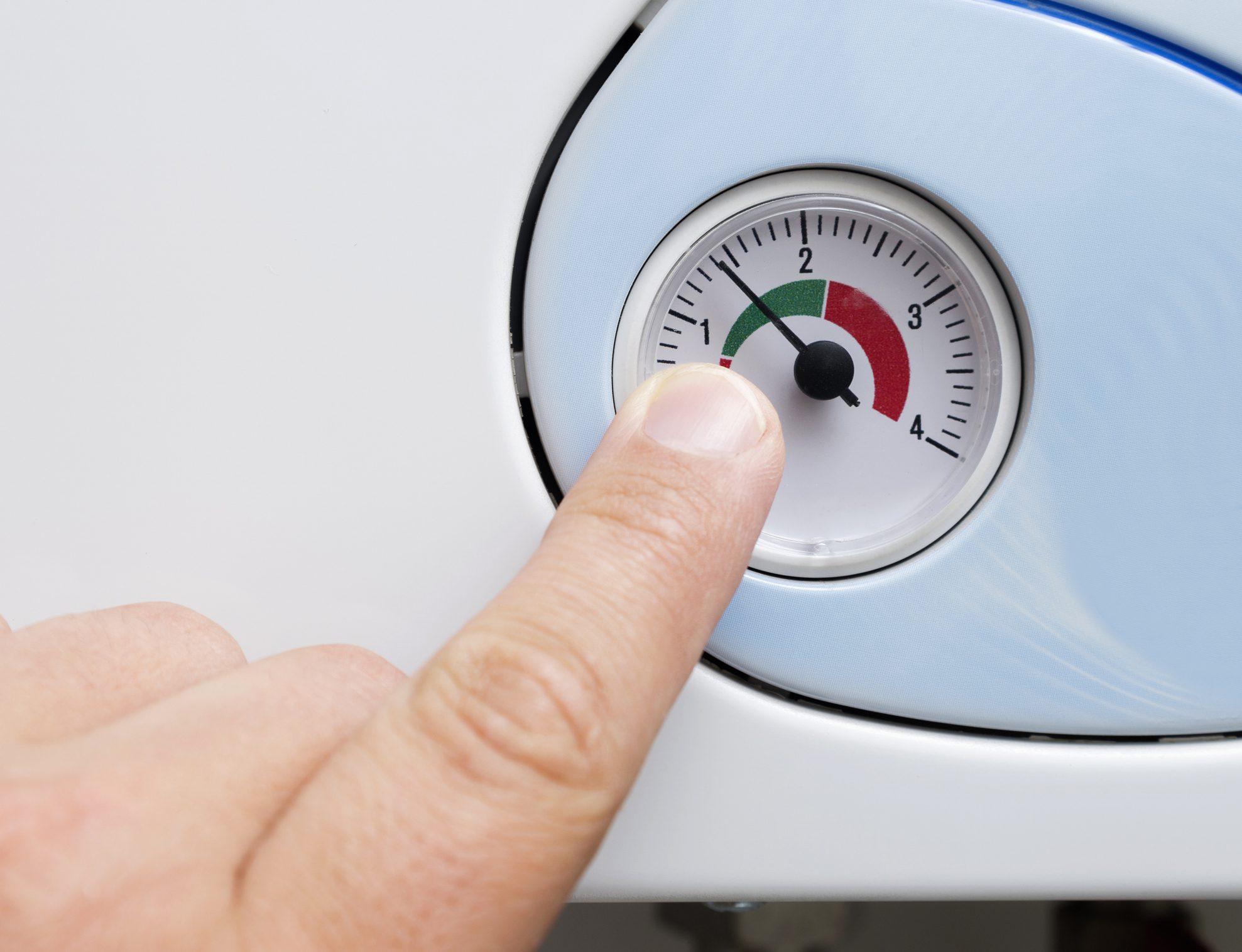
If you have noticed that your boiler pressure keeps falling below 1 bar, this is one of the most common issues in UK households. Modern boilers operate most efficiently between 1 and 2 bar. When pressure drops too low, your boiler may stop working altogether.
There are several typical reasons boiler pressure drops over time:
- Leaks within the heating system – Even a small leak from a radiator valve or pipe joint can slowly reduce pressure.
- Faulty pressure relief valve – If this valve is not sealing properly, water can escape from the system
- Recently bled radiators – Removing air from radiators reduces system pressure and may require repressurising.
- Internal component faults – Issues inside the boiler itself can affect pressure regulation.
- Expansion vessel problems – A failed expansion vessel cannot maintain stable pressure.
If pressure only drops after bleeding radiators, topping it up using the filling loop may solve the issue. However, if pressure drops repeatedly, this usually signals a leak or internal fault that requires professional inspection.
2. No Heating or No Hot Water
If your boiler appears to be running but you have no heating or no hot water, this can be frustrating, especially during winter. The cause will depend on whether you have a combi boiler or a conventional system.
Several common faults may prevent heating or hot water production:
- Thermostat problems – Incorrect settings or faulty room thermostats can stop the boiler from firing correctly.
- Motorised valve failure – In system boilers, motorised valves control water flow. If they fail, heating may not activate.
- Airlocks in the system – Trapped air can block water circulation.
- Low water pressure – Boilers often shut down if the pressure falls too low.
- Pump faults – A failed circulation pump prevents hot water from reaching radiators.
Before calling an engineer, check thermostat settings, timers and system pressure. If everything appears correct but the heating still does not work, a professional diagnosis is required.
3. Strange Noises Coming from the Boiler
Boilers should operate quietly. If you hear new or unusual noises, it is often an early warning sign that something is wrong.
Common abnormal boiler noises include:
- Banging sounds – Often linked to trapped air or overheating.
- Gurgling noises – Typically caused by air in the system or low pressure.
- Whistling or kettling – Mineral buildup in the heat exchanger restricts water flow and causes overheating.
- Vibrating or humming – May indicate pump issues or loose components.
In hard-water areas of the UK, kettling is particularly common due to limescale buildup. If ignored, this can damage the heat exchanger and reduce efficiency.
Strange noises should never be ignored. While some minor issues can be resolved by bleeding radiators, persistent noise usually requires inspection.
4. Frozen Condensate Pipe
During freezing weather, a blocked or frozen condensate pipe is one of the most frequent causes of winter boiler breakdowns. Condensate pipes carry acidic wastewater from your boiler to an external drain.
If this pipe freezes, you may notice:
- The boiler is displaying a fault code
- Gurgling noises from the unit
- The boiler is failing to ignite
- Visible ice on the external pipe
In some cases, carefully pouring warm (not boiling) water over the pipe can thaw the blockage. However, if the boiler does not restart afterwards, further investigation is needed.
Insulating external condensate pipes can reduce the risk of this problem recurring.

5. Boiler Keeps Switching Off
If your boiler keeps turning itself off, this usually indicates a protective shutdown. Boilers are designed to stop operating if they detect unsafe or unstable conditions.
Common causes include:
- Low system pressure
- Thermostat or sensor faults
- Blocked heat exchanger
- Poor water circulation
- Pump failure
If resetting the boiler only fixes the issue temporarily, this suggests an ongoing fault. Repeated shutdowns should be checked by a qualified engineer to prevent further damage.
6. Pilot Light Keeps Going Out
Older boilers rely on a pilot light to ignite the burner. If the pilot light keeps going out, treat it as a safety issue.
Several faults may cause this problem:
- Thermocouple failure – This safety device shuts off the gas if the flame goes out.
- Gas supply problems – Inconsistent gas pressure can prevent ignition.
- Strong draughts – Airflow may extinguish the flame.
- Faulty gas valve – A malfunctioning valve may interrupt the supply.
Because this involves gas components, it must only be checked by an engineer registered with the Gas Safe Register.
Never attempt to dismantle gas components yourself.
7. Radiators Not Heating Properly
If some radiators are cold at the top or have cold patches, this usually indicates circulation issues in the heating system.
Common causes of poorly heating radiators include:
- Air trapped in the system
- Sludge buildup inside radiators
- Circulation or pump issues
- Incorrect balancing of radiators
Bleeding radiators can release trapped air and restore heat. However, if radiators remain cold after bleeding, sludge buildup may require a professional power flush.
Ignoring uneven heating increases strain on the boiler and reduces efficiency.

When Can You Safely Fix a Boiler Problem Yourself?
Many people searching for boiler problems want to know what they can safely fix without calling an engineer.
There are a few basic checks homeowners can perform:
- Re-pressurise the boiler using the filling loop
- Bleed radiators to remove trapped air
- Reset the boiler following the manufacturer’s guidance
- Check thermostat settings and timer programmes
However, you should never attempt:
- Gas component repairs
- Internal electrical work
- Flue modifications
- Valve replacements inside the boiler
Gas appliances must only be serviced and repaired by qualified professionals.
How to Prevent Boiler Problems
Most boiler breakdowns are preventable with consistent maintenance. Annual servicing plays a significant role in reducing risk.
To minimise boiler problems:
- Book an annual boiler service
- Check system pressure monthly
- Bleed radiators when necessary
- Insulate external condensate pipes
- Investigate unusual noises early
A well-maintained boiler is far less likely to fail during peak winter demand.
When Should You Call a Professional Immediately?
Some symptoms should never be ignored. If you notice any of the following, arrange professional help straight away:
- Smell of gas
- Carbon monoxide alarm activation
- Persistent leaks from the boiler
- Repeated fault codes or lockouts
- Visible corrosion or damage
Delaying repairs can increase both safety risks and repair costs.
So, Why Is My Boiler Not Working?
If your boiler is not working properly, the most common causes are:
- Low pressure
- Thermostat or timer faults
- Circulation issues
- Frozen condensate pipes
- Internal component wear
Some minor issues can be resolved safely at home. However, repeated faults, gas-related issues or persistent shutdowns should always be assessed by a qualified engineer.
Understanding common boiler problems helps you act quickly and prevent minor issues from becoming major breakdowns. If you think your boiler may have a problem, get in touch with our team today.