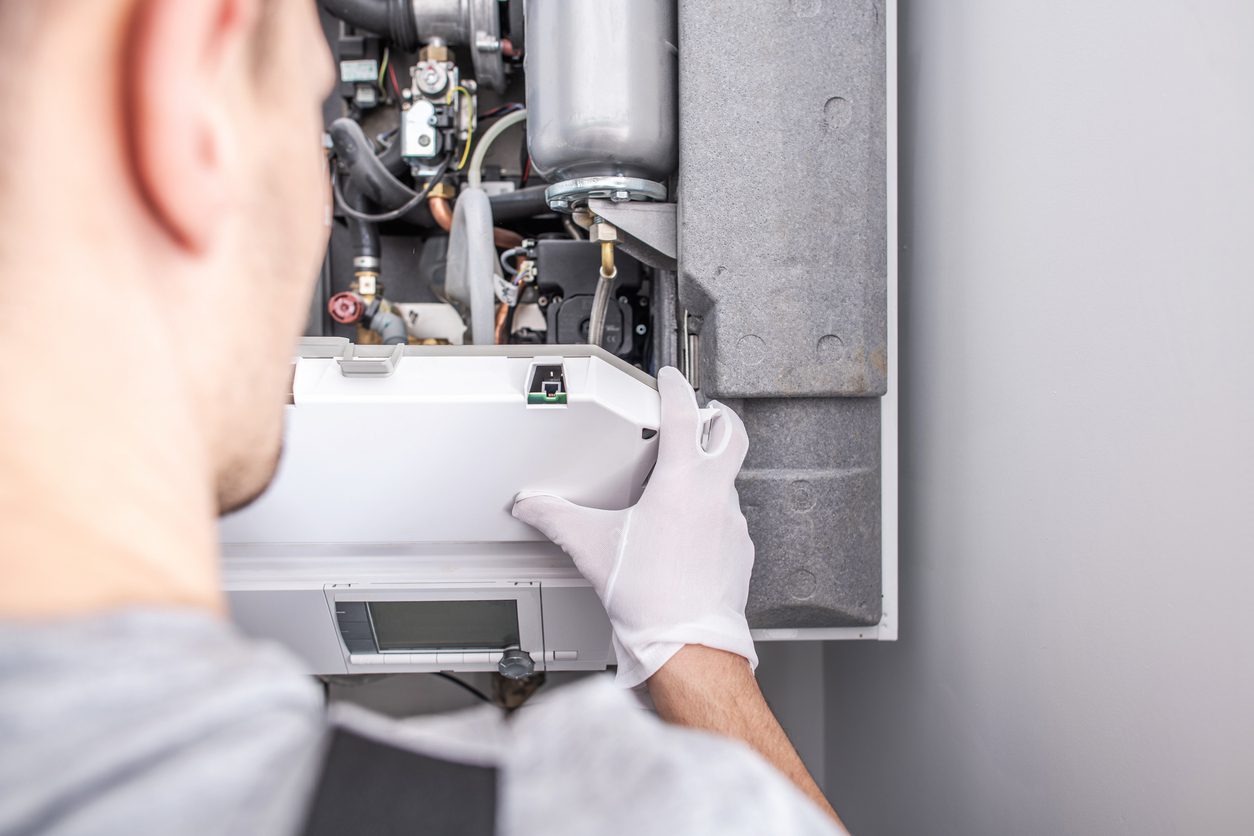
Preparing your boiler for the winter months protects your home from breakdowns, keeps your heating running at the right temperature and helps you manage your energy bills. When temperatures drop, your boiler works much harder than during the rest of the year. A few simple checks in autumn will help you avoid the common issues that lead to unexpected repairs and cold rooms at the worst possible time. This guide walks you through every step so you know how to prepare, what to look for and when you should call a professional.
Why Should You Prepare Your Boiler Before Winter Starts?
You prepare your boiler before winter starts because it reduces the chance of faults and makes sure your heating system is ready for long periods of daily use. During the warmer months, you may not think about your boiler, which means minor problems can go unnoticed. When you switch your heating back on in autumn, your boiler moves from occasional use to continuous demand. Small issues like low pressure, system air, worn seals or faulty thermostats quickly turn into bigger problems when the temperature drops.
Preparing your boiler early does not only protect you from breakdowns. It also helps you manage running costs. A boiler that runs efficiently uses less fuel and reaches the right temperature faster. This gives you more control over your spending during the peak heating season. Preparing early also helps you spot issues with radiators, pipework or valves, all of which affect your comfort and energy usage.
What Checks Should You Carry Out Before Winter?
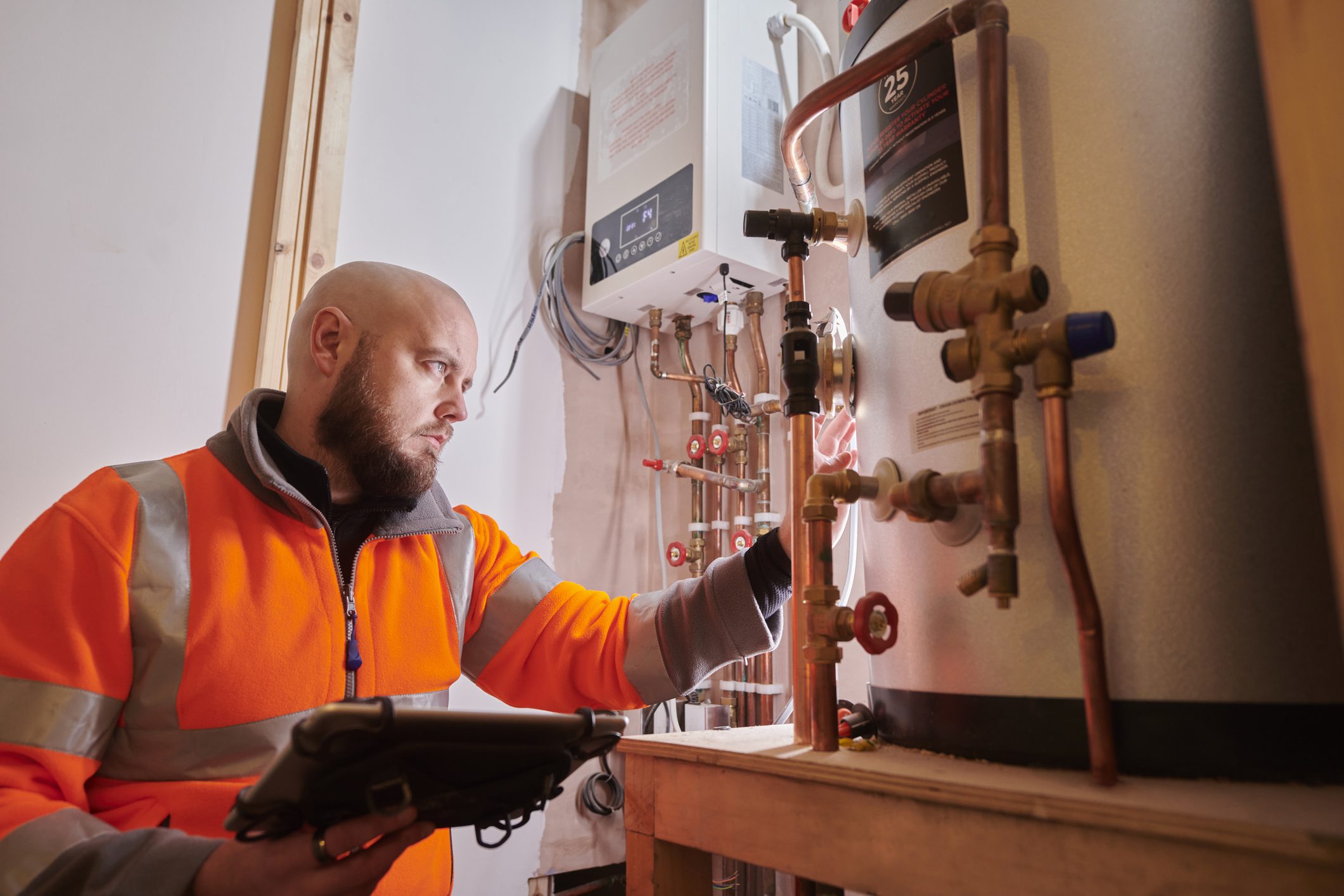
You can make a few simple checks yourself before you turn your heating on for the colder months. These checks help you understand the condition of your heating system and reduce the risk of unexpected failure.
Have You Tested Your Heating System?
The first step is to test your heating. Switch your heating on for at least 30 minutes. Do this before you need it daily. You want to make sure every part of the system is working while the weather is still mild and repairs cause less disruption. During this test, listen for unusual noises and check whether your radiators heat up evenly. If you notice slow heat-up times or cold patches, this signals air in the system or a circulation issue.
Have You Checked Your Boiler Pressure?
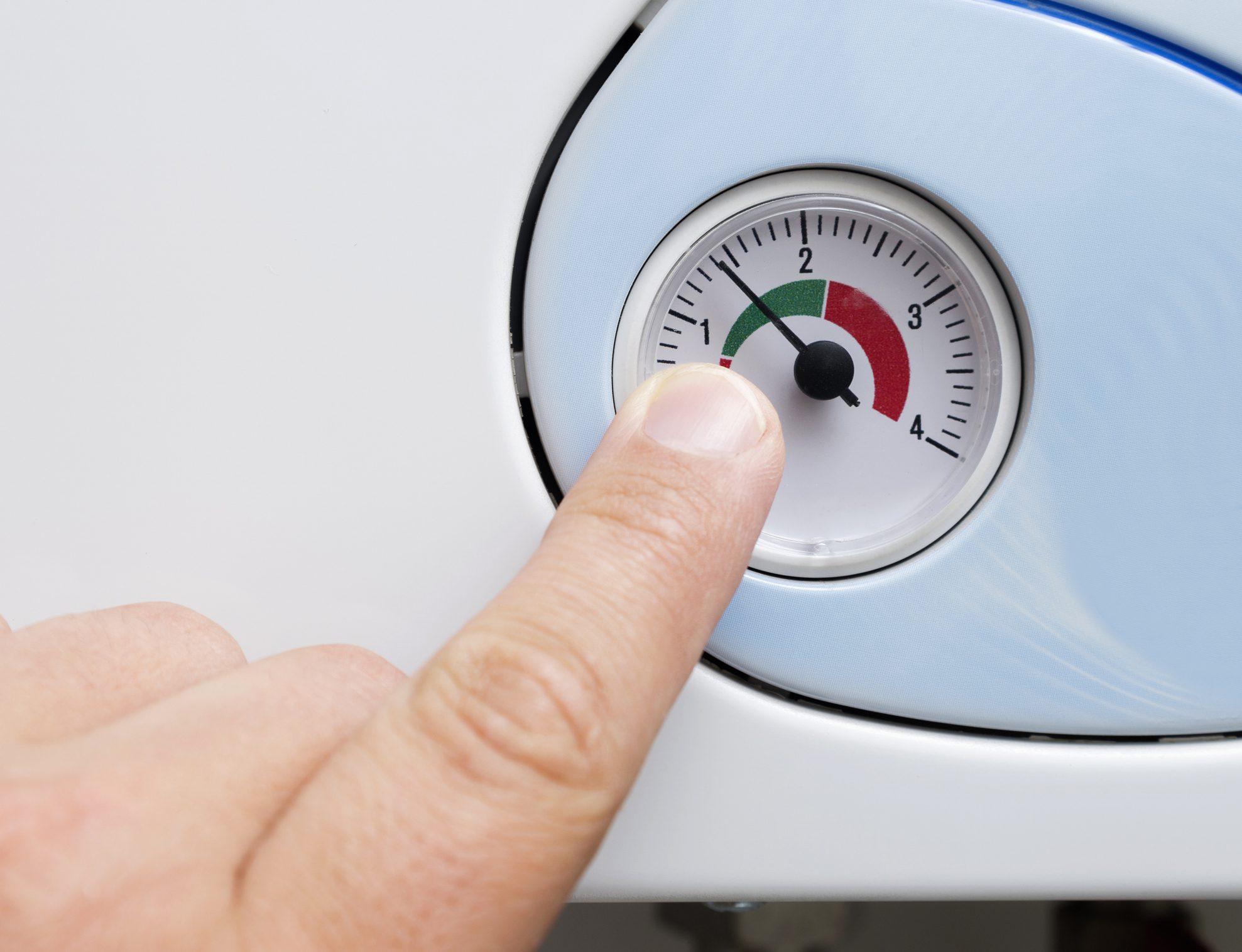
Your boiler pressure affects how well hot water can circulate through your radiators. Low pressure is a common cause of cold rooms and slow heating. The pressure gauge on your boiler will show the current level. Most modern boilers work best at around one to two bars. Your boiler manual will confirm the correct range for your model. If the pressure is below the recommended level, you can top it up using the filling loop. If you need to top your pressure up often, you may have a small leak and should contact a professional boiler engineer.
Should You Bleed Your Radiators?
If your radiators feel cold at the top and warm at the bottom, air is trapped in the system. This reduces efficiency and forces your boiler to work harder to heat your home. Bleeding your radiators releases this trapped air so they heat evenly. You only need a radiator key and a towel. Open the valve slowly and close it as soon as water starts to escape. Once you have bled your radiators, check your boiler pressure again because releasing air may reduce it.
Have You Looked for Leaks or Corrosion?
Leaks often start as small drips from pipework, valves or radiator fittings. Even a tiny leak affects boiler pressure and can become a serious problem when temperatures fall. Walk around your home and inspect any visible pipework. Look for signs of water, rust or corrosion. If you find a leak, do not ignore it. An engineer can repair the issue before it places extra strain on your system.
Should You Test Your Thermostat?
Your thermostat controls your heating, so you need to make sure it reads temperatures accurately. Turn your heating on and increase the temperature on the thermostat to check that the boiler responds. If you find that your thermostat does not activate your boiler or provides inconsistent room readings, you may need to replace the batteries or consider upgrading to a more accurate model. Smart thermostats can offer even better control and efficiency during the winter months.
Does Your Boiler Need a Service Before Winter?
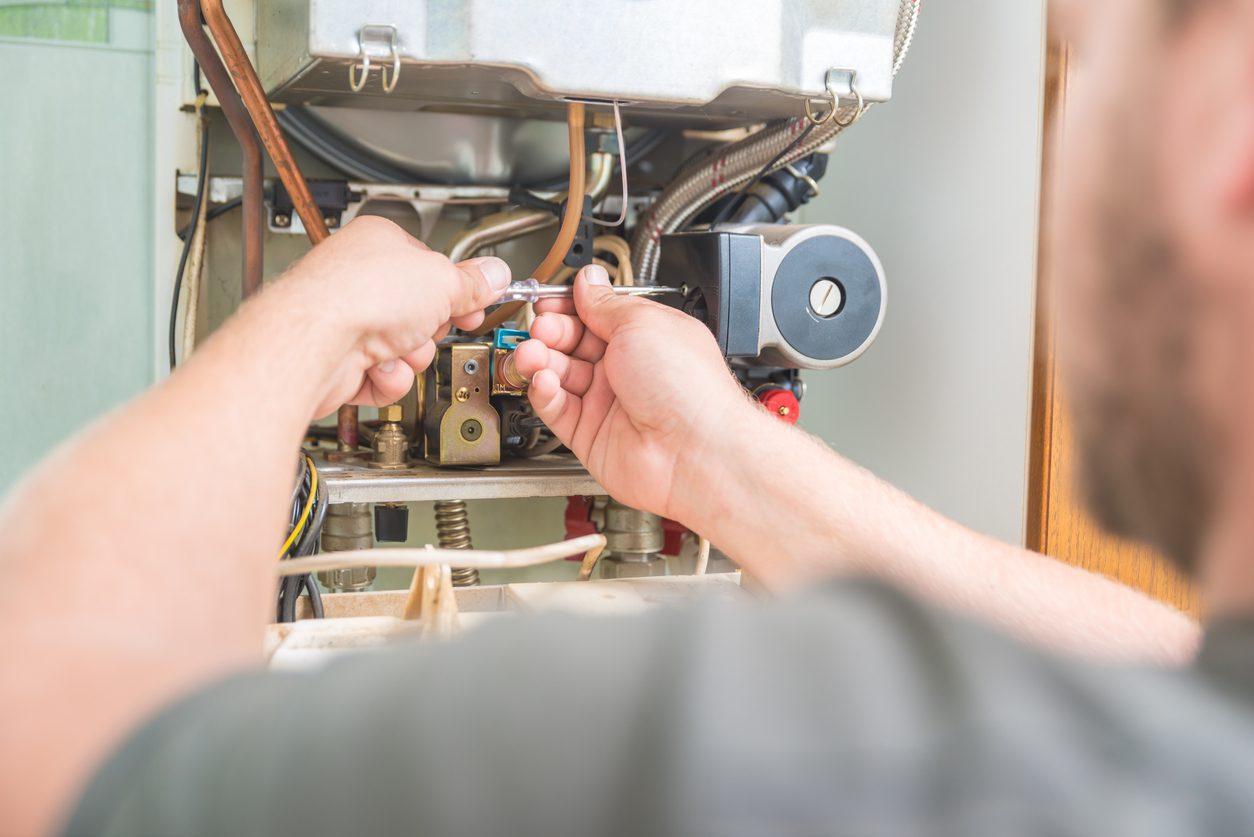
You should arrange your annual boiler service before winter starts. A service makes sure your boiler runs safely and efficiently. A qualified engineer will inspect internal components, clean parts that collect debris and test key safety features. Servicing also helps you identify worn parts before they fail under high demand.
If your boiler is still under manufacturer warranty, your annual service is essential. Most warranties require proof of yearly servicing. Missing a service can invalidate your cover and leave you paying for repairs yourself. Even if your boiler is older, annual servicing reduces the risk of costly breakdowns during the coldest time of year.
Should You Insulate Your Pipes Before Temperatures Drop?
Insulating your pipes helps protect them from freezing in very cold weather. Frozen pipes can block water flow and may lead to burst pipes when they thaw. Lagging is a simple and affordable way to prevent this. Foam insulation sleeves fit around exposed pipes and help maintain temperature. Pay attention to pipes in lofts, garages and outdoor areas. These places cool quickly when temperatures fall. Insulating your pipes can reduce the strain on your boiler and improve system efficiency.
How Can You Improve Efficiency Before Winter?
There are a few small changes you can make before winter to help your boiler run more efficiently. These adjustments support better heat distribution, reduce system strain and help you manage your energy bills.
Have You Cleared the Area Around Your Boiler?
Your boiler needs space for ventilation and safe operation. If you store items around your boiler during the summer, clear the area before winter. Remove boxes, tools or household items that block access. Your engineer also needs clear access during servicing or repairs. Keeping the area clear improves safety and efficiency.
Should You Balance Your Radiators?
If some rooms heat up faster than others, you may need to balance your radiators. Balancing helps distribute hot water evenly throughout your home. You can adjust the valves to control flow rates. While you can attempt this yourself, many homeowners prefer to ask an engineer during an annual service. A balanced system provides more consistent heat and reduces unnecessary strain on your boiler.
Do You Need to Check Your Hot Water Settings?
Your boiler settings may need adjusting after months of low use. Your hot water temperature should be set at a safe and comfortable level. If the temperature is too high, you use more energy than needed. If it is too low, it may not feel warm enough for daily use. Adjusting the settings before winter helps you avoid guesswork later.
When Should You Call a Professional Engineer?
Some checks are safe to complete yourself, but others should be handled by a professional. You should call an engineer if you notice:
- Unusual noises from your boiler
- Persistent pressure loss
- Leaks from pipework or radiators
- Thermostat issues that you cannot fix
- Slow heating even after bleeding radiators
- Error codes on your boiler display
Professional engineers have the tools and training to diagnose faults accurately. Early intervention prevents bigger issues when winter is at its peak.
How Can Early Preparation Save You Money?
Preparing your boiler early saves you money through reduced repair costs and better efficiency. A well maintained boiler reaches the right temperature faster and uses fuel more effectively. Small issues that you fix early cost far less than major repairs during a cold spell. You also avoid emergency call outs, which cost more than standard appointments. If your boiler is very old and struggles each winter, early checks may help you plan for replacement at a time that suits your budget.
What Should You Do If Your Boiler Is Near the End of Its Life?
If your boiler is more than ten to fifteen years old, it may show signs of age. You might notice more frequent repairs, reduced efficiency or slower heat up times. Winter demand places pressure on older boilers, so preparing early helps you understand its condition. If your engineer advises that a replacement is more cost effective, planning ahead gives you time to choose the right model for your home. Replacing your boiler before winter reduces the risk of breakdowns at the most inconvenient time.
What Is the Best Way to Stay Ready for Winter?
The best way to stay ready is to build boiler checks into your annual routine. Test your heating in early autumn, book your annual service and complete simple tasks like bleeding radiators. Keep an eye on pressure, look for leaks and pay attention to unusual noises. These steps take very little time but make a significant difference to your winter comfort.
Ready To Book Your Boiler Service Before Winter Arrives?
If you want to keep your home warm, safe and efficient this winter, now is the best time to arrange your boiler service in Newcastle.
Book your pre winter appointment today and make sure your heating system is ready when temperatures fall.